dance
If you are ugly, know how to dance
The Nyanja people of Zambia have a proverb Byrne would have loved: If you are ugly, know how to dance. How telling, when dance is so much a part of a culture that to be able to dance is celebrated almost as much as beauty.
I like to think that dance is on an upsurge again in our own culture, if only as evidenced by popular TV contests like “So You Think You Can Dance.” I’m not sure that dance was ever as central to the North American culture as it is in other places. Maybe the very number of distinct cultural traditions that “blended” here meant no one dance form became as prevalent as, say, Folklorico in Mexico or Ring dancing in African countries.
Native Americans had their own, complex, relationship with dance. Byrne’s “son” Benjamin Barney of the Navajo People explained to me that dance for his people is spiritual, not meant for entertainment. It took him almost a lifetime to convince his real mother to accept his choice to dance for the love of it. He found a way to blend both worlds by forgoing a career on stage, performing and dancing just for the joy it gave him.
Byrne was so proud of Ben’s dancing that she didn’t see the balance he was trying to achieve, at least until much later in her life. By the time I met her, I think she understood. Taped to her refrigerator was the cartoon where Snoopy says something like this: If you can’t dance, everyone at least can do a happy hop 🙂
So much indecency should be illegal
 Thanks to Byrne Miller’s love of the indecent, ill-mannered, un-reserved, show-offy wild azalea, there is now a shrine to the little-bit-slutty bloom right next to my house. Every day I crawl into the opening of a wild, un-gardened garden just for inspiration.
Byrne’s legacy may be that she is considered the Johnny Appleseed of modern dance in the South. But she started out with dreams of becoming a concert pianist. Her parents, orthodox Jews in depression-era Manhattan, both played. She practised as religiously as a later-acknowledged agnostic could, but it didn’t happen. Still, she loved classical music for the rest of her life. One of her secret dreams was to have an entire symphony at her disposal, a private concert in a grand hall.
When I duck into the un-garden, I know why she left it to its own devices. Big bumble bees buzz from bloom to bloom, so intent on doing what they do that they literally bump into me. I close my eyes and feel Byrne all around me. It’s a bee-symphony. Commissioned by her.
Azaleas are a little slutty
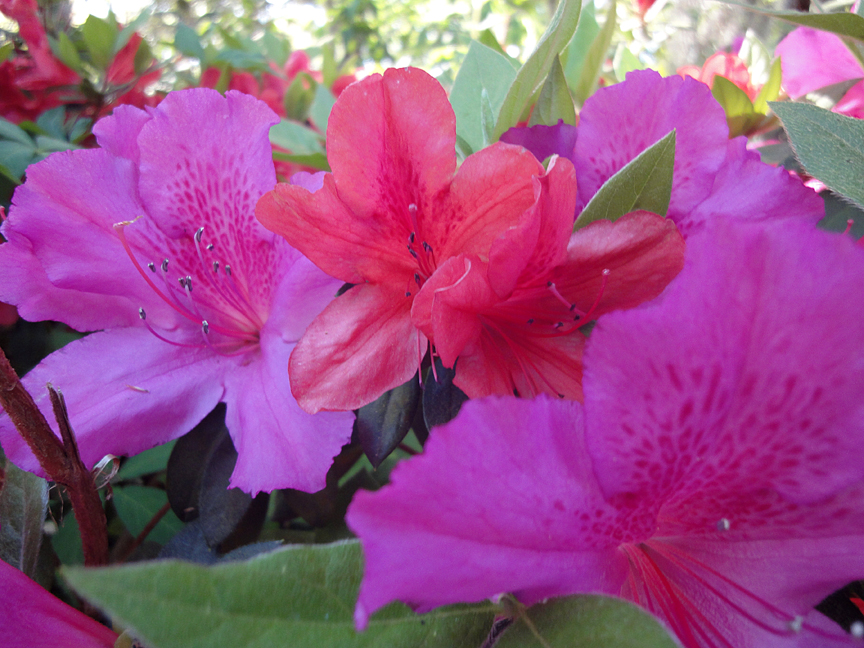
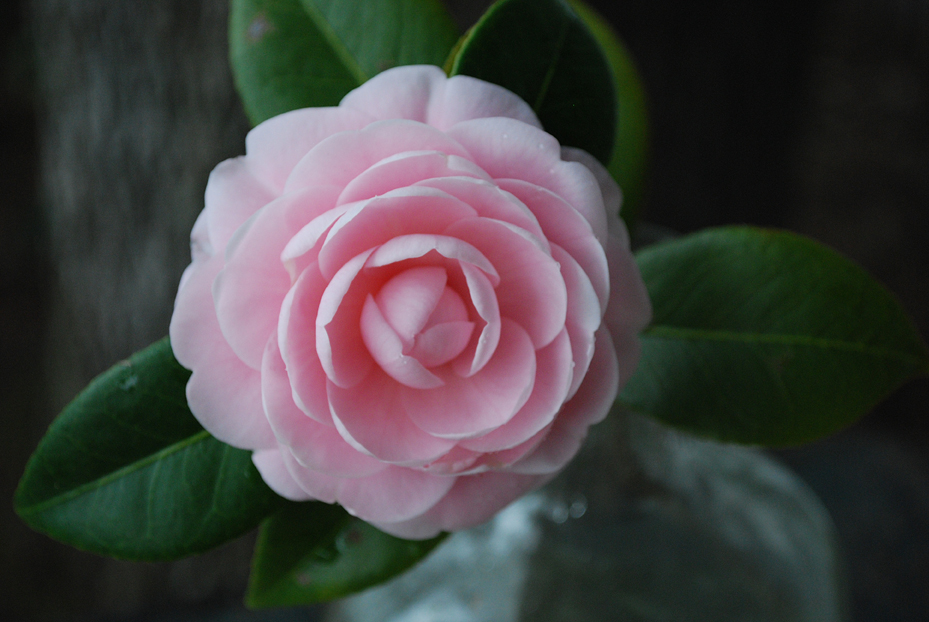
Byrne Miller liked to compare azaleas to the other spring flowers that grace Southern gardens. Take the camellia on her front bluff, overlooking the Beaufort River. “Pink Perfection” is no exaggeration. Its petals are demure, obedient. They present from the bud like a corps de ballet, each one in its place.
Not so the wild azalea. In Byrne’s world they are modern dance. Luscious, vivid, almost shocking when they burst upon the season. Each petal is almost see-through, scandalous, fluttering for attention in the breeze. The colors are crimson and fuchsia, all the better to entice the eye. Honey bees have room to wiggle, squirm, roll around inside.
So, of course, she loved them. Wouldn’t think of trimming or pruning any of the wild bushes that still surround her little house on the Beaufort River. “The azaleas I leave to their own devices,” she said. “They’re utterly indecent already. Show-offs, just like me.”
On artistic snobbery
I was reading an interesting blog by Jane Friedman today, on whether shutting out negative and combative media is good for you. I’ve been considering doing the same, in the light of all the hypocritical, racist and anti-feminist language in the health care debate, and it made me think of Byrne.
She was quite selective in what and whom she listened to for entertainment and information (never missed PBS but hardly watched anything else) but surrounded herself with people who discussed all viewpoints. Where she was utterly unegalitarian was art. To get Byrne Miller’s attention, art had to be serious. No “loving hands at home” attempts at any art form – dance, music, painting, literature – made the grade.
I tend to agree with her but I wonder if disregarding community-level art creates an audience shortage for the greats? Do we need to experience “making art” ourselves at some level to appreciate and support the fine arts? Is the danger only when we congratulate ourselves too much for effort, without serious critique?
- ← Previous
- 1
- 2
- 3
 "TeresaBruceBooks"