Other Mothers
Secrets you can’t tell mom
 I still remember the first time I confided in my mother about sex. I was nine years old, living in South Africa, and had a secret that seemed so terrible I thought everyone could tell what I’d done just by looking at me. I had played spin the bottle with Simon from up the street. He spun. It pointed at me. I let him see my underpants.
My mother immediately went to my father with it and I never told her another embarrassing secret. Even when I really could have used her advice.
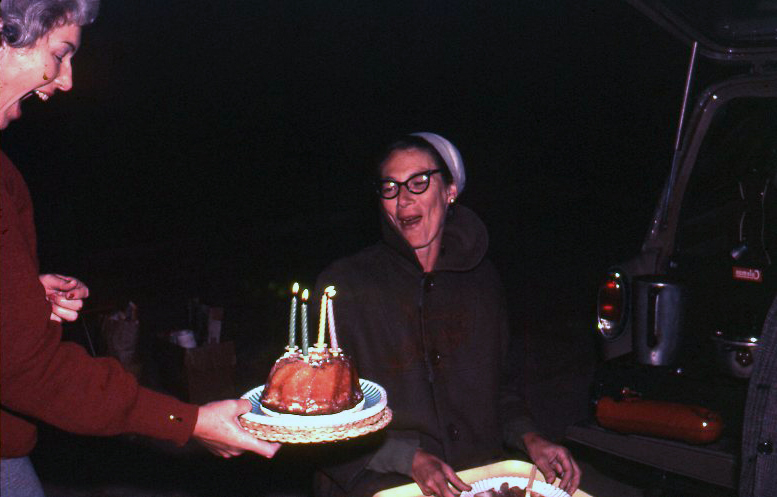
Fast forward thirteen years to Beaufort, SC when I began to realize that Byrne Miller was my other mother. She was 82 and I was 22 – so the age gap alone made it somehow easier to talk to her. But it was more than that. I could share secrets with her because we had chosen each other, we shared no genetic ties. She didn’t know about Simon or spin the bottle and she wouldn’t have cared. This former burlesque dancer had seen and done things that would shock Miley Cyrus today.

Over the course of ten years, I was able to tell Byrne things that would have upset my mother more than she could bear. If I had told mom about the man who stole my dog, broke my hand and tried to crash a plane with me in it – she would have been reminded of too many parallels in her own marriage.
But Byrne and I had no shared history. Our relationship was fresh and self-determined. I learned to trust that she would never judge my decisions or critique my opinions. She didn’t have to. She wasn’t responsible for me. She just told stories of choices she made in her life, colorful anecdotes and analogies I call womenisms in the book.
“Every woman should have at least one affair. It builds confidence,” my other mother used to tell her collected daughters. “Monogamy is overrated. Honesty is imperative.”
I could never even discuss spin the bottle with my mother, let alone infidelity and forgiveness. There are some things only meant for an other mother’s ears. And Mother’s Day is the perfect time to make sure she knows how much you appreciate zipped lips.
The Case for Crowdsourcing Motherhood
The benefits of othermothering aren’t limited to older women like Byrne Miller, or to women whose children are all grown. I believe it can be a release valve for women without children too – call it my case for crowdsourcing motherhood.
Here’s how I got to this idea: I’m astonished by the social media frenzy around women freezing their eggs to give Mr. Right more time to show up, or those who choose single motherhood over co-parenting – not because I’m some Betty Crocker throwback but because I’m awed by the guts it takes to be a mother of any stripe these days. Let me “out” myself – I’m a happily married writer and filmmaker without children. Can you blame me? Just think about the range of the modern stereotypes pre-judging almost every style of mothering.

If you’re an ambitious “Tiger Mom,” then you might as well wear a scarlet letter “A” for child abuser. If you’re a hippy BFF mom then clearly you’re too needy to form adult friendships.

If you’re a helicoptering, Baby Boomer mom then everyone knows your kids will fail to launch and will eat up your data plan photographing themselves instead of getting jobs. And speaking of jobs, let’s not forget you working moms – from “Lean In” corporate climbers to single moms for whom “stay at home” means sick days without pay. According to recent studies at least 50% of your neighbors think your kids are “disadvantaged” thanks to your non-traditional tendencies.

Other mothers are held to a much more humane standard. We get no flack about our age or biological clock. Nobody expects us to consider it a full-time job. We don’t pay college tuition. And we are privy to secrets no-one would dream of telling their mom.
I’m sure that some people will interpret my decision to opt-out of full-time motherhood as selfish at best, or at worst question whether I’m really a woman. But my experience on the receiving end of othermothering gives me confidence that I have a way to pay it forward. More than just coveting my role as best-aunt-in-the-universe, I love that my younger sister relies on me to be an “Other Mother” to her three children and that one of my best friends welcomes my commitment to her non-verbal daughter. I am fine-tuning my emotional radar to young women I sense need impartial support and nurturing. Someday I will be a Byrne for one of them.
The Granny Gap
Earlier this month, the Wall St. Journal had an article about baby boomers impatient to become grandparents. The irony, the article pointed out, was they themselves were the first generation to delay getting married and having kids. And now their grown children are waiting even longer – putting off motherhood until they’ve earned advanced degrees or the right work/life balance.

I call it the Granny Gap – it’s been something I’ve thought about since I started writing “The Other Mother: a rememoir”
I’m lucky enough to have a younger sister who had kids relatively young and took the heat off of me. I’m also lucky enough to have been both othermother and mothered and I contend it could be a practical solution for would-be moms and grandmothers to bide their time.

The average American woman today waits four years longer to have her first child than her own mother did. Other than celebrities and trailblazing women having their first babies when they’re 45 or older, the overall U.S. birthrate has been on a steady decline since 2007. The average age a woman in the U.K starts a family is 30. They’re so freaked out by this across the pond that a pregnancy testing company runs ads of a photo-shopped, grey-haired hag in a Demi-Moore, bare belly pose to scare women into reproducing earlier. The June 28th, 2013 edition of the Daily Mail informed readers that women with university degrees are bulging the belly curve even later by waiting until they turn 35 to make babies. The horror!
“If the phenomenon continues for another generation,” the article contends, “it means some grandparents will have to wait an extra 20 years, until the age of 70, to have their first grandchild.”

Let me clear my throat. If there is indeed an impending granny gap, othermothing is a low-tech way for women on both ends of it to meet their nurturing needs. Not to mention the chief beneficiaries of multiple mothers providing emotional support: the children both mothers and grandmothers cherish.
Rants and realizations
It took some newly discovered other mothers to get me past the apoplexy of a news story while I still should have been basking in the glow of the holidays. The journal Science published a Harvard study about the effect of expanded Medicaid benefits on the frequency of emergency room visits among a select group of Portlandians.
My ears perked up at the mention of Portland – we’d just visited for my grandmother’s 90th birthday. But quickly those ears began to burn. The report was sloppily characterized to condemn “Obamacare” as a failure because the study subjects visited emergency rooms more frequently once they had access to Medicaid coverage than before they did. The tone of the story was one of condemnation and “we told you so” – as though these lower-income people were at once greedy, ignorant and hypocritical.
I say my ears burned, because those of you who’ve read “The Other Mother: a rememoir” now know, I was raised in trailer-park economic conditions in the backwoods of Oregon. My parents were “guilty” of relying on emergency rooms whenever my sister and I got hurt or sick and for their own, irregular health care. I never had a family doctor or preventative anything, and it wasn’t because my parents were lazy or on welfare. They both worked outside the home – my father left the house at 4am and didn’t return until after dark from his low-paying, unregulated, unsafe job as a truck driver.
Which is why my parents relied on emergency rooms. Ear infections, epileptic seizures, heart murmurs, strep throat, dislocated thumbs… off we went to the nearest hospital. There were no doctor’s offices open when my parents could take us – even had my father been able to afford insurance. Neither of my parents’ jobs offered paid sick leave so if they had to stay home because of an illness we were short that month on rent or groceries.
So to hear the Harvard researchers blithely attribute the results of the Portland study to “limited education” about what constitutes emergencies made me dash off an emotional post on Facebook. It wasn’t fair to knock Medicaid and give lousy employers a pass. I know of no poor person who wouldn’t rather sit in a nice comfortable doctor’s office watching cable cooking shows and thumbing through Oprah magazine than wait, sometimes for hours, in an understaffed ER.
Here’s where my newly discovered Other Mothers came in. It turns out Byrne Miller isn’t the only woman with patience, understanding and a different world view to share. Even though they (mostly) agreed with me, these women (and a few men) gently prodded me to dig deeper into all sides of this issue that had become so emotional.
One book-loving Other Mother is an artist who holds out hope that as Obamacare rolls out, other health care providers will figure out how to make non-critical care more accessible.
“The future holds opportunities for a new type of healthcare industry utilizing technology, and career opportunities for yet to be named professions. There will be those smart enough to capitalize on this, routine tests, immunizations, and treatment for simple accidents etc., will be done in shopping malls, convenience centers etc.”
But another Other Mother is a nurse, and she warned of an impending shortage of well-trained health care providers.
“Healthcare insurance availability is but one aspect of “the system,” and increasing those able to afford/obtain insurance is a plus. However, issues of “enough” medical personnel and systems designed to be truly “patient-centered,” are huge. … MD’s, Nurse Practitioners, Pharm.D, are, and will remain, “critical” to providing comprehensive care as they are prepared to assess the “big picture,” rather than just ” give the shot.”
I realized that my initial reaction was mightily influenced by my own life experiences. Valuable as those are, I needed a reminder of how important the insights of Other Mothers are – we are never too old to see a different point of view, especially when its shared by someone who really “gets” us. And we are never too young to pay it forward and become the other mother someone else will need and cherish.
Dudes and The Other Mother
Today’s the day the whole world can go online and meet Byrne Miller – at least the part of her divulged in “The Other Mother: a rememoir.” Despite the fact that the blurbs on both the front and back cover of my book are male writers (Pat Conroy and Franz Wisner) – most readers, so far, have been women. They’re loving it, which is great since women outspend men on books. And even better, they’re spreading the word and holding Other Mother Soirees because it’s bringing back memories of the important other mothers in their lives.
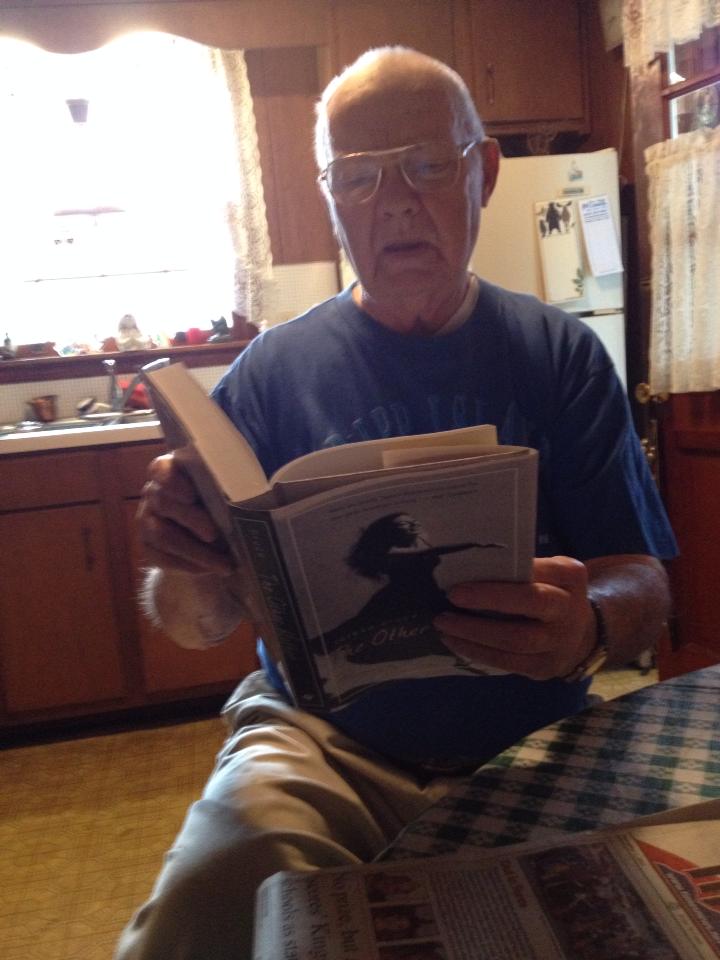
But here’s what is blowing me away. The few men curious enough to get past the title and the cover photo are sticking with it – even after they realize that Byrne didn’t stay a burlesque dancer and that the sex scenes are couched in elegant dance terms. My husband Gary didn’t have a choice. He was my front-line editor and men who enjoy this book have him to thank. He took each chapter out on the porch with a can of PBR beer and a giant red pen. If I used the word “love” more than absolutely necessary, he scratched it out. “Be more creative,” he demanded. Same thing happened to any mushy, girl-power, coming-of-age moments. And those sex scenes? He told me I was on my own with those.
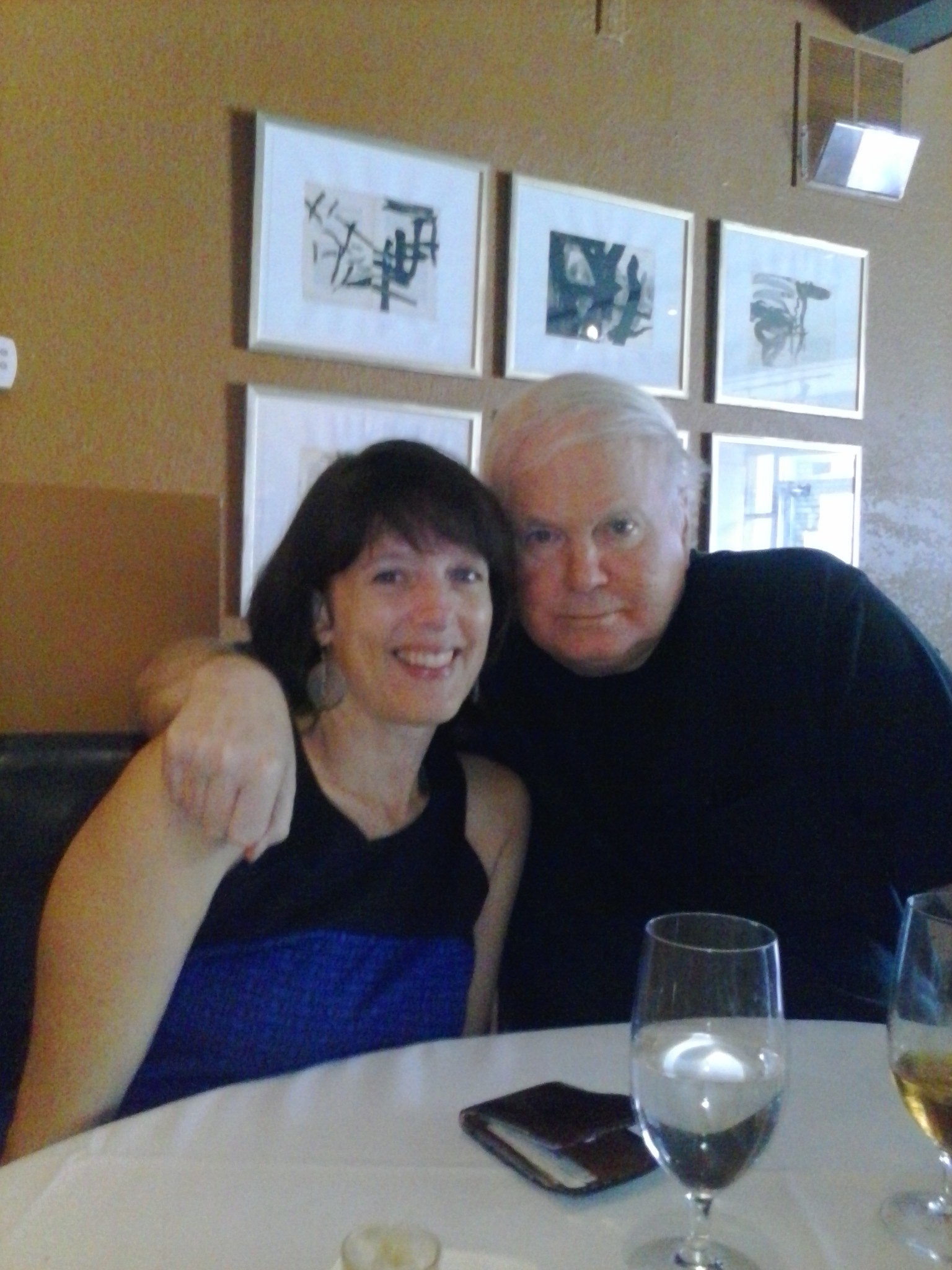
Pat Conroy was the second man to ever read “The Other Mother: a rememoir.” I knew that Pat has cherished the love of many Other Mothers over the course of his life. We’d had long talks about how re-parenting changed us both. He waxes rhapsodic about Julia in particular, the Beaufort woman who “collected” him even when her own son was killed in a freak baseball accident. But I was nervous to share the manuscript with him because I knew that Pat wasn’t a big fan of Byrne Miller. (I suspect two personalities as big as theirs barely fit into a room.) Instead, he got sucked in by the story of Byrne’s husband of nearly 60 years: Duncan Miller. Pat Conroy knows a thing or two about frustrated novelists, as it turns out, and the tragedy of Duncan’s mental illness poisoning his writing was a side to Byrne’s story that broke Pat’s big heart.

The third man to read the entire manuscript is another major writer, only you find most of his work in the editorial pages of The New York Times. Lawrence and I went to graduate school for journalism together and I knew he’d fall in love with the outlandish free spirit of my star. He was so taken with Byrne that he helped me track down odd bits of New York history to fill in the gaps of her early married life in Greenwich Village. And he introduced me to the film archives at Lincoln Center, where I watched clips of the very same dancer that thrilled Byrne in the 20s and 30s: Harald Kruetzberg.
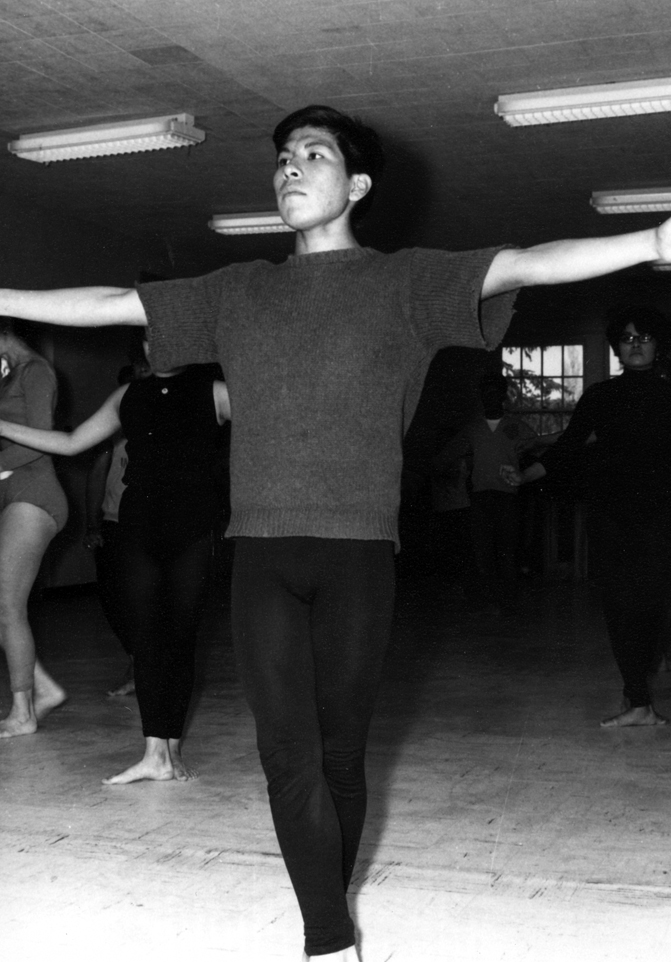

The fourth man to read “The Other Mother” is my brother-by-Byrne and Navajo elder Ben Barney. His reaction was even more important to me because he gave me permission to tell the most intimate and personal of all the stories of Byrne’s collected children. She was not very good at being an “Other Mother” back in the 60’s – when she bulldozed over his religious and tribal beliefs in an attempt to turn him into a dancer. But now, looking back, he sees her as a powerful and transformative force in his life.
“Chapter brought tears to my eyes so far,” he emailed me. “The section you wrote of me is freed, roaming, rolling and nice. I leave it as is.”

The fifth man to read the book was Larry Lepionka – an archeologist who helped me find where I had buried Duncan’s tormented manuscripts. He’s married to a major character in the book – my Byrne sister Lisa – so I was a little worried when Larry told me to come over and discuss a factual error he’d found in the book.
“My wife has no accent at all,” said this Beaufort native who has lived with his Swiss-German stunner of a wife so long that this statement was only partially a joke. In fact, he loved the book as well. “It’s a story of heroines,” he said. “Byrne, you, Lisa and even Wipeout – your brave and lovely dog.” If this book goes into paperback I’m stealing Larry’s lines for another blurb.

But the funniest reaction from a man came from my friend Terry Stone. Regular followers of my blog know him as the man responsible for my only redfish victory. He’s a regular subscriber to Garden and Gun and when not fishing fiercely defends his other territory: the kitchen.
He was deep into the book when he finally asked his wife Jane “Wait a minute, is this a love story?” He was afraid I’d be offended when she ratted on him, but nothing could make me happier. It is a love story, the most amazing one I’ve ever known. It is not the sort of book most guys willingly pick out of a bookstore (except as gifts for their wives, which I’m discovering they love to do.) And then there’s the dance terminology. “I have to admit,” Terry confided, “I did skip over some of the dance parts. My French is rusty.”
There was more. Terry had a hard time believing it was a true story – that’s how amazing this relationship was. For sixty years Duncan watched Byrne undress each night and told her she was marvelous, even after five spinal surgeries had stolen inches from her glorious height and cancer had carved away her uterus. But it was more than holding hands and quoting Shakespeare that grew their love into what I witnessed. True, Byrne had been a knockout Burlesque dancer but their love story withstood challenges that would cripple others. Instead of divorcing over the stress of a schizophrenic daughter, they lived for a time in an open marriage. Instead of letting one person’s career dominate the other’s they took yearly turns following their passions. And even when Byrne realized that Duncan’s mind was self-destructing she refused to let it erode his identity as a writer. She choreographed a stage, a life, for him even when she was the only one in his audience.
I know not every dude will “get” this book. But it says something that the men I most admire do. So here’s my promise – to any man willing to get past a dancer on the cover and the fact that it’s a love story that happens to be true. Let me get through the national launch, the blog tour and the upcoming Kindle and hopefully audio book and I’ll create a series of videos on You Tube to explain the French dance terms for you. You know – the difference been a plie and a pair of pliers. Deal?
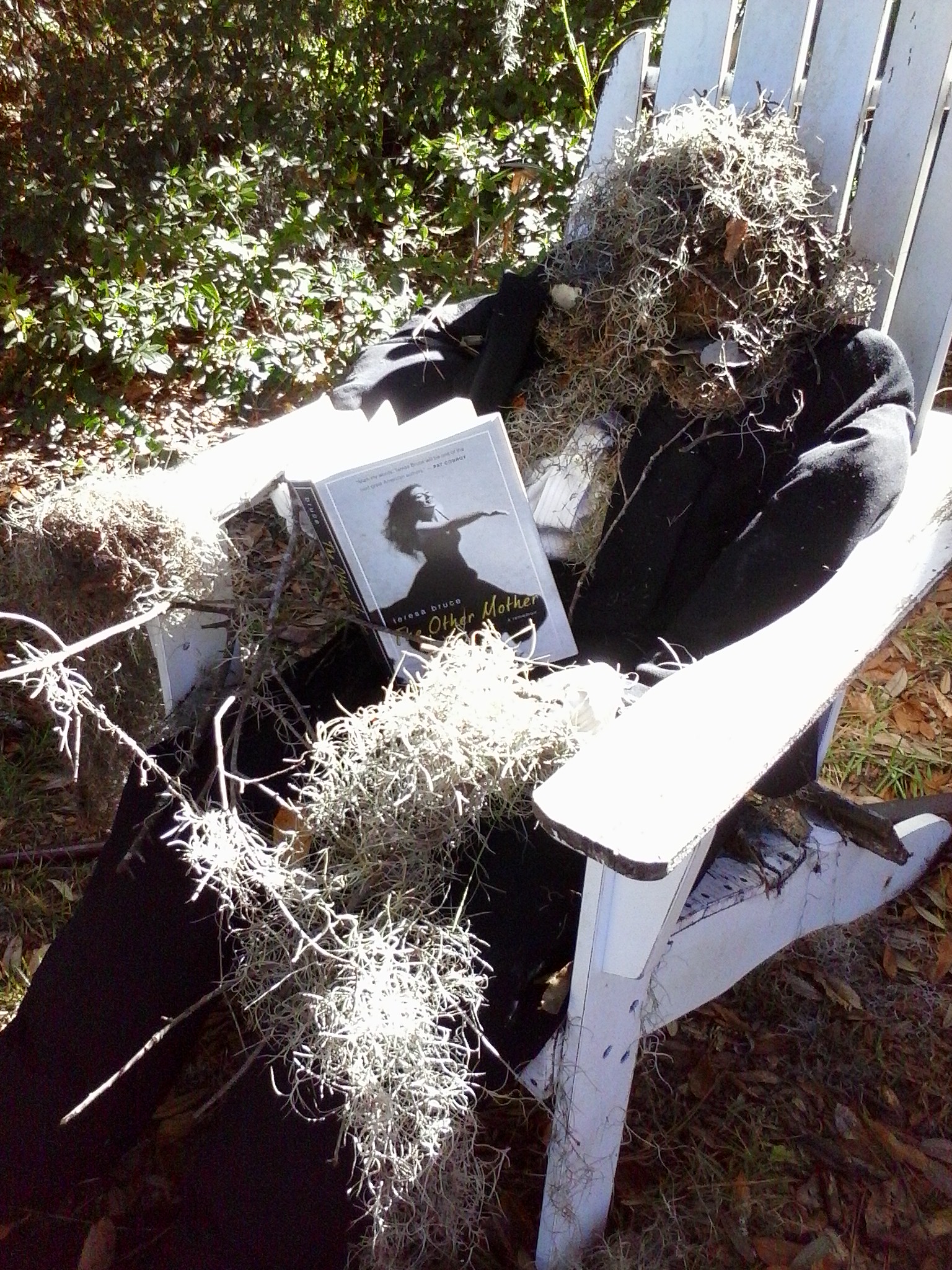
Get Thee to an Other Mother!
I can’t pinpoint when I became aware I had an other mother any more than when I became aware of my own name. I remember when I met her, sure. I was a floundering 22-year-old from the backwoods of Oregon and she was an 82-year-old former burlesque dancer from New York who said things like “Every woman should have at least one affair. It builds confidence.”
Seven days from now the whole world will meet my other mother: Byrne Miller. November 5th is the national launch of “The Other Mother: a rememoir” and the date her collected children, including me, will have to start sharing her with readers everywhere. What I’ve learned since the fabulous local kickoff of the book in Beaufort, SC is that women of all ages instinctively “get it:” we’ve all needed and cherished the love of other mothers even if we’ve never put our finger on it until this book came along.
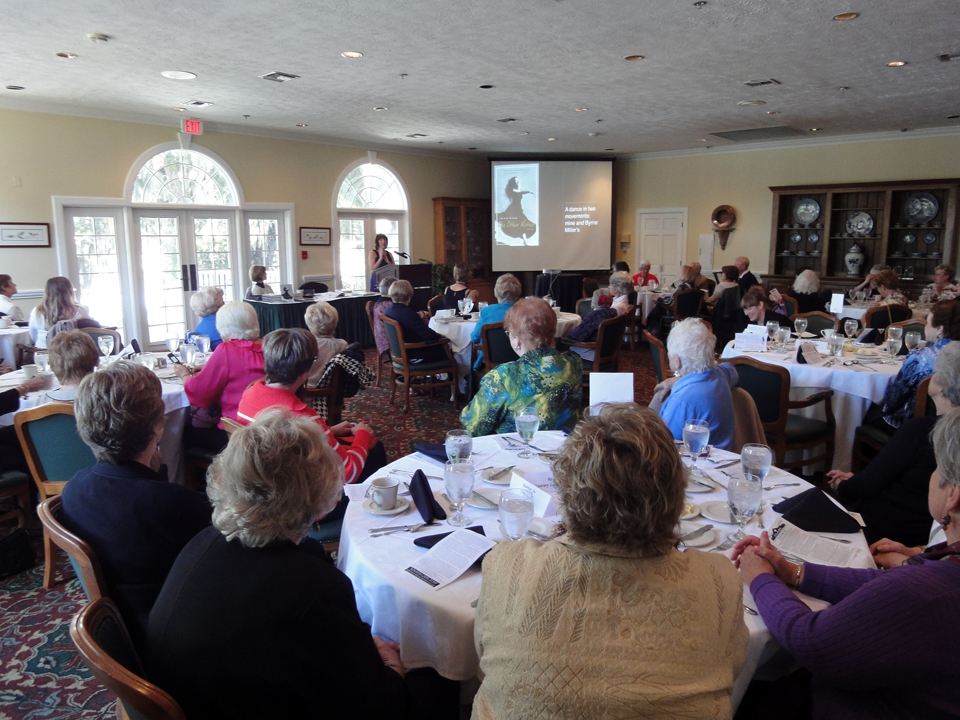
What I’ve also learned is that there are many different reasons why. Othermothering isn’t the sappy happy apple pie fantasy of nuclear families. It’s real world and defies stereotypes. After I spoke to 65 avid readers Friday at Litchfield Book’s Moveable Feast in Murrell’s Inlet, one grandmother raised her hand. I thought she might ask the question I often get: “Was your real mother ever jealous of your Other Mother?”
But instead she said she bought her ticket to the luncheon the minute she saw the book cover and title. “I figured since my daughter and I don’t always seem well matched this might be just the solution.” The whole crowd laughed right along with her and Litchfield Books sold out of my book within the hour. Most told me it was gift for themselves, and some had Christmas presents for their mothers and other mothers in mind. But when I was signing books after the talk, two different women asked me to inscribe their copies to their daughters. “Can you write something like Dear Jane, have you thought about finding an other mother?”
It reminded me that daughters aren’t always the sweet dears we like to think we are. It dawned on me why I never got the feeling that my own mother was jealous of Byrne. She was probably sick and tired of my twenty-something know-it-all self and relieved that another woman was willing to guide me into another phase of life. Hmmm…. Come to think of it one of my many nicknames growing up was Miss Information.


A Soiree for Other Mothers Everywhere
“Somewhere in the years of knowing Byrne, she had become my other mother, fearless and larger than life. I couldn’t have explained to the doctor or anyone when or how it happened any more than I could pinpoint the first time I became aware of my own name.” — Chapter 42 “The Other Mother: a rememoir”
I may never remember the exact moment I found an Other Mother in Byrne Miller, but I will always remember the moment I realized that all women, instinctively, get it. It happened last night, at the first ever “Other Mother Soirée.”
My friend and fellow writer Barbara Kelly had the idea to combine a celebration of my memoir about Byrne and a tribute to the other mothers in all our lives.

Her soirée invite list started with her own Other Mother – Betty Tenare. In the same way Byrne added me to her collection of daughters, Betty befriended Barbara when she first arrived in Beaufort and folded the nervous newcomer into a circle of support.
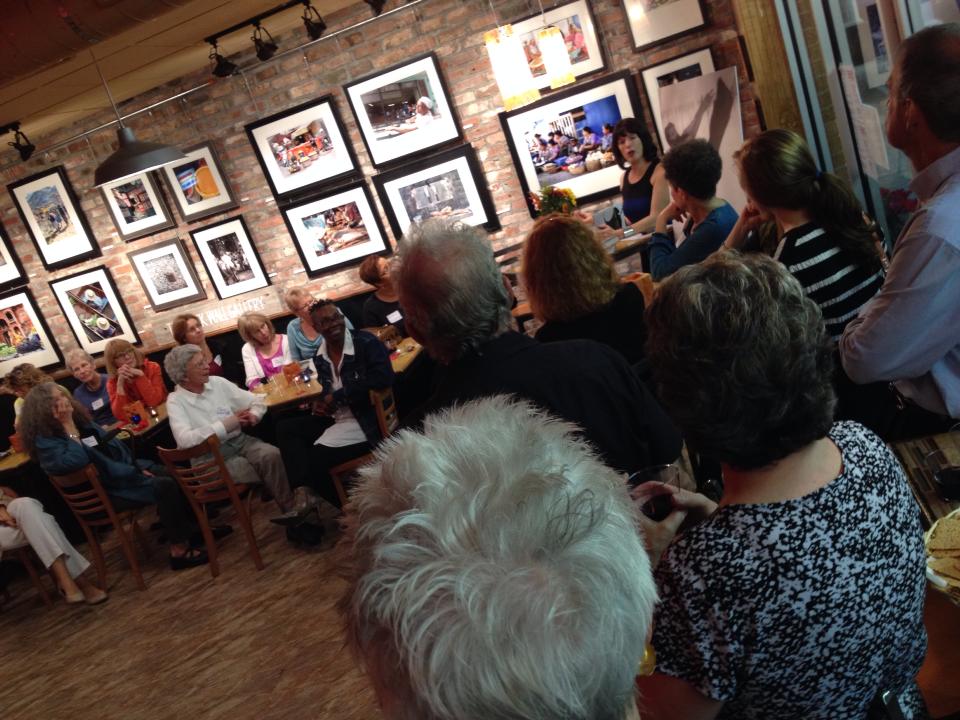
Betty sat just to my right as I read this passage from “The Other Mother: a rememoir” and I could literally feel how proud she is of Barbara and of being an Other Mother. Just as Byrne was.
“I didn’t have to ask what Lillian meant by collected daughters. I was beginning to know the silky feel of Byrne’s favor, the web she wove that made me feel more charming, witty and talented than I did with anyone else.”
—Chapter 14 “The Other Mother: a rememoir”


When we weren’t feasting on chef Jamie Darby’s creations, we raised glasses of wine and shared toasts and stories of Other Mothers. Some were literally shared. Like Casey Chucta’s story of how she used to be jealous of all the people “adopted” by her charismatic, theatrical parents Bob and Roxie. But then, when so many people paid tribute to her father at his funeral, she realized how lucky she was to have inherited an extended family. All because her father was an Other Father and her mother a generous, loving Other Mother.
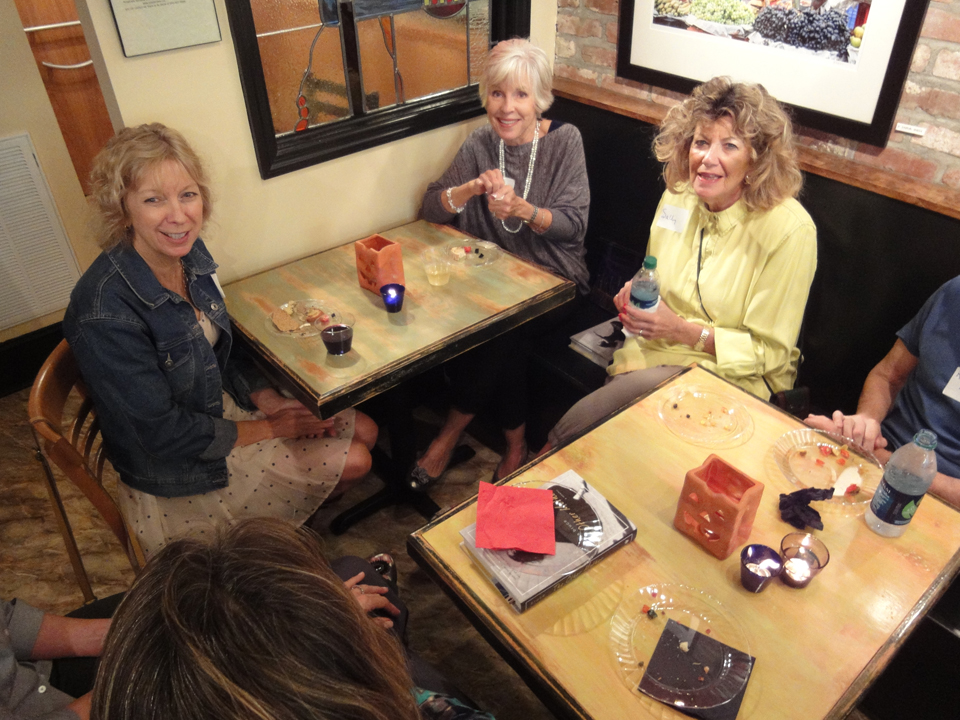
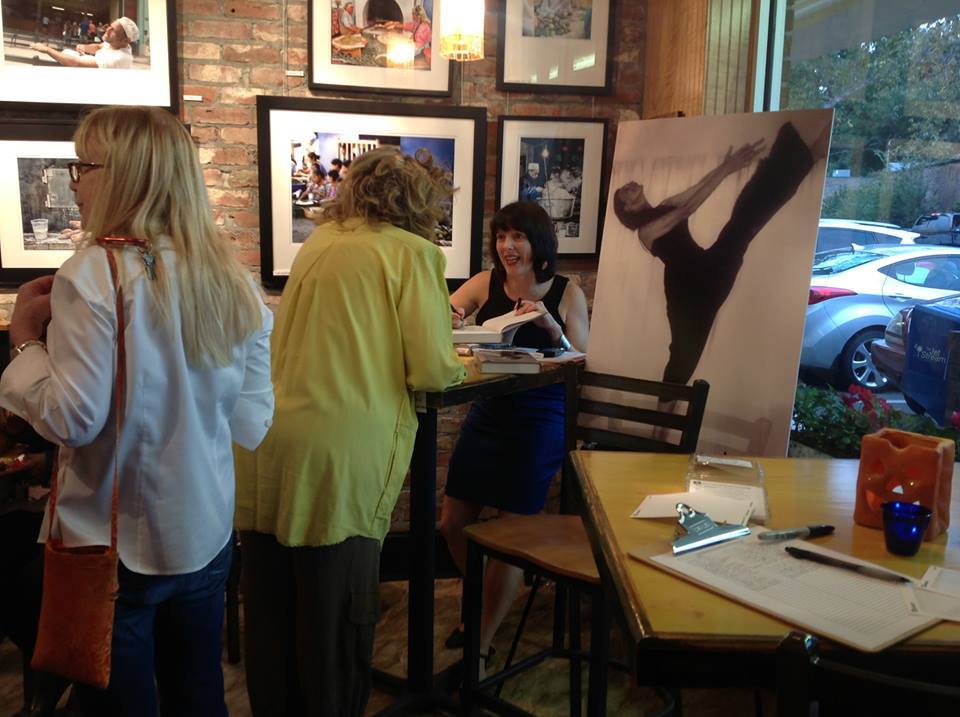


As a writer, it doesn’t get better than witnessing the way a book can connect people. Last night was my first chance since the Beaufort launch to sit back and revel in the power of othermothering. But there will be more opportunities. Two other dear friends, Andrea in Charleston and Audrey in Washington, D.C., are hosting Other Mother Soirées for me at their homes in November. And my TEDx talk in Charleston, on lessons from my Other Mother, keeps getting more views and likes as the national book release gets closer. Who knows, I may be collecting a few daughters of my own as this dance continues.
- ← Previous
- 1
- 2
 "TeresaBruceBooks"