travel
Caves of Time
The hiking brochure they hand you when you get off the shuttle begins with: “Evidence of Human Activity in what is now Bandelier National Monument dates back more than 10,000 years.”
I was about to embark on a trip back in time that made me question the nature of time itself. I’ve never been one to ponder many existential questions; I’m too busy setting goals and rushing to meet them to do anything but wonder where time went. But after a morning at Bandelier I’m no longer sure what constitutes wasting time. Consequently I probably am, just thinking about it.
In school, natural history never seemed as interesting as it did in the James Michener books I stole from my parents. But in the Frijoles Canyon history is mockingly relevant. I’ve felt the awe of National Parks before – the way places like Yosemite make you feel so puny and inconsequential. But at Bandelier it wasn’t just the physical grandeur of nature that humbled me, it was that damn first line of the brochure: evidence of human activity.
Somehow, in this most isolated and environmentally harsh place, ancient peoples not only survived but thrived. I was worried whether I’d get carsick on the shuttle ride out of the canyon but the Ancestral Pueblo people contended with threats monumentally more serious. The heat, for one thing. It reached 97 degrees on the day I visited — a dry, high-altitude heat that reminds you that a few days without water and you’d be a pile of bones picked over by coyotes. These amazing people, without the wheel or a single written instruction, literally carved a life out of a desert canyon.
Which brings me back to the human activity part. The Ancestral Pueblo people figured out how to use tools to enlarge the openings of small, natural caves in the canyon’s cliff face. It’s called Tuff rock – the eroded remains of volcanic ash that compacted over time. It conserves the coolness of the desert night. It also serves as a permanent blackboard for ancient attempts at art. I say attempts because the figures and symbols seem less visionary and inspirational than utilitarian. If there were creative outlets for these ancient people they were stories, songs and dances lost to time.
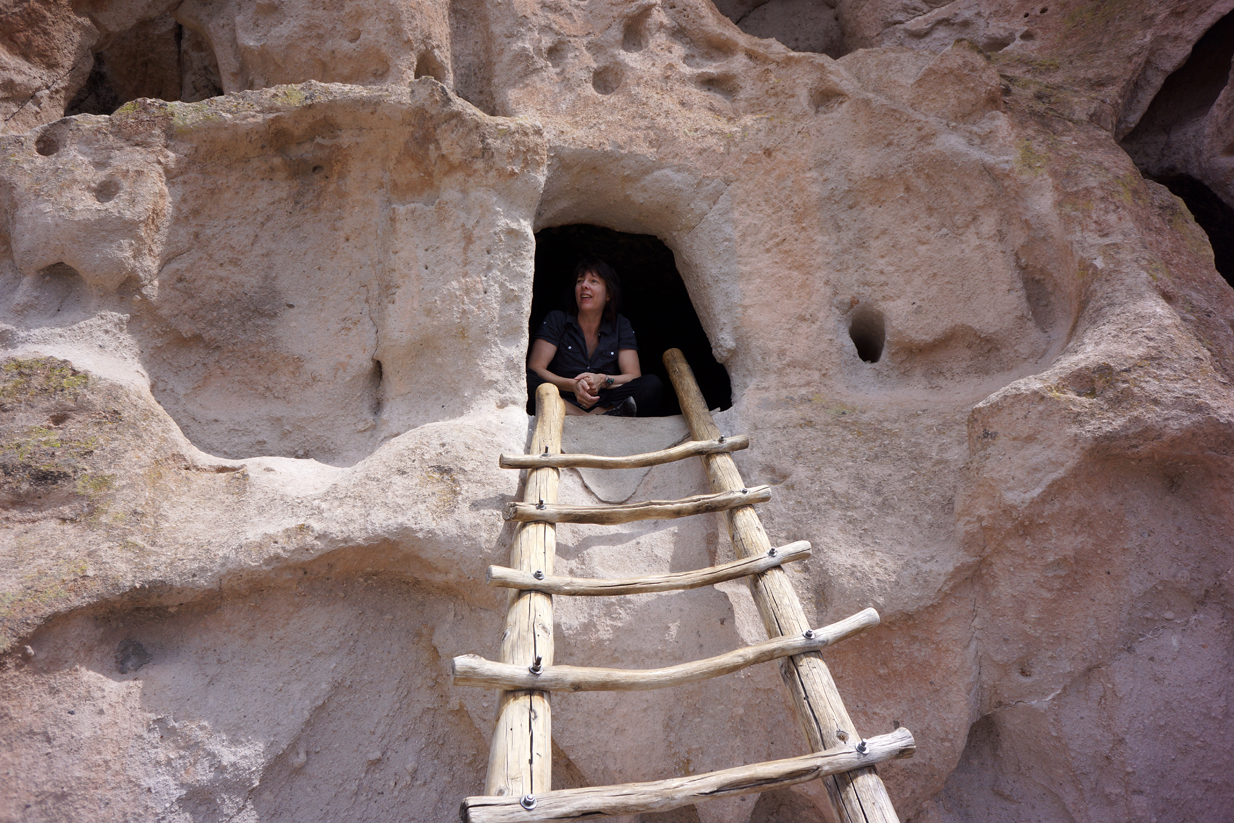
You can still climb into the caves at Bandelier and see the discolored walls where fires burned thousands of year’s worth of nights ago. What stories got told around those fires? Were the cave dwellers dreaming of enough free time to pursue the arts or new worlds to explore? Or were they just staying warm?

What really gets overwhelming is when you sit in the cave openings and look out over the canyon valley floor. By virtue of a small stream these Native Americans did something radical – they raised crops to augment hunting. They built a village whose remains are still visible from the rocky overlooks. The brochure again:
“Imagine this village filled with the sights, sounds, and smells of daily activity. Women grind corn between two heavy stones. The air is filled with the enticing scent of ground corn as it bakes into delicious flat bread. Loud thumps reverberate in the air as a stone axe meets a heavy wooden beam. Men are busy constructing new homes. Children laugh and shout while dogs bark; together they herd turkeys and play games. As today, each person has his or her role and responsibility.”
I tried to imagine me in this village, ten thousand years ago. Would my life have had meaning or true fulfillment? What “human activity” would have kept me motivated? The Ancestral Pueblo people had religion- their faith was part of every aspect of their lives without sectarian separation. I do not identify with any one religion. I have no useful farming skills. I don’t even have children. If more than a weekend goes by without writing something I get fidgety. I feel like I’m wasting time and yet I have more of it to fill in the manner I choose than the Ancestral Pueblo could even imagine. It’s the mark of progress, we’re told, when labor becomes so specialized that not everyone has to spend their days on redundant, common tasks of survival.
Yet what does it all mean when “progress” means spending hours each day tweeting and blogging? It’s part of every writer’s job – building a platform so that readers will buy the books that keep publishers in business – so I’m not complaining. But is my multi-tasking life really any more advanced than the brochure’s hunting, weaving and heavy construction? My gut says no, but my brain says it is more fulfilling. I’m happiest when I’m swimming in the creek in front of my house — thinking of nothing and thankful for everything — but I couldn’t let myself float in that happiness if I didn’t spend the days planning the next project, the next challenge. I can change the circumstances of my life at will if my will is strong enough.
The caves of Bandelier haven’t left my thoughts since I returned to South Carolina. I keep going back to that cool, dark window on a world I can barely imagine. The closest I can come to understanding what the “human activity” of survival was like ten thousand years ago was how it felt when Gary and I drove through Latin America in a camper. Despite all my mental fidgeting and fastidious documentation for a future book, we had to stop driving by two each afternoon to begin the menial tasks of finding a place to camp, buy food, get water and bathe. I was happy. I learned I could survive without alarm clocks and internet access and deadlines. But would I choose that “simplicity” permanently? No. I need external stimulation like art and museums and daily challenges to what I think I know.
Bandelier made me appreciate just how little that is.
Absurdly moving art
While I was out hunting for ghosts of Byrne and Duncan in Santa Fe, I stumbled across an artist they both would have loved. Check him out.

I met absurdity out West and now he’s a friend of mine. I stole that, actually, from the title of a book published by an artist we discovered at a flea market outside Santa Fe. What’s absurd is that Kelly Moore isn’t as well known as Thornton Dial or Howard Finster. He’s so outside art that he actually makes art outside – almost year round, in his Tesuque Flea Market “stall.” He bungie-cords this three-sided gallery closed during the week, more to keep out the snow or desert summer heat than thieves.

If it was just the wack-factor, I probably wouldn’t be writing a blog about this guy. We have plenty of crazy right here in Beaufort, South Carolina. But Kelly Moore’s work stopped me cold and it was 97 degrees out at the time with forest fires burning on two sides. He was adding the finishing touches to an…
View original post 477 more words
Canyon Road
I have been lucky enough to window shop along some of the most famous art streets in the world, from Paseo Prado in Madrid to West 27th Street in New York and M. Alcala in Oaxaca. But never has one road peaked my curiosity as much as Canyon Road in Santa Fe.
My “Other Mother” – Byrne Miller – lived in a rented house at the base of Canyon Road in the 60s, long before this 6/10ths-of-a-mile-road was the home of more than 100 upscale galleries. Back then it was a dirt road in the cheap part of town; many of the artists who lived and painted there built their own homes and studios out of adobe.
I tracked an address down from an old advertisement for the Byrne Miller School of Dance and set out to find the house where she danced and where Duncan began his third novel. But it turns out artists back then weren’t really into organization. The numbers don’t always go in order and some houses were torn down and replaced in different locations with the same number.

The closest I got was this cluster of buildings that now house two wonderful galleries. Somewhere behind me was the portico where Duncan paced and smoked his pipe while writing the Santa Fe Fiesta Melodrama and the kitchen where Byrne brought her dance students from St. John’s College for some home cooking.
What a heady time to be two artists in their nomadic prime. The Santa Fe Writer’s colony thrived from the 20s through the 40s… think Willa Cather and “Death Comes for the Archbishop.” D.H. Lawrence called Santa Fe home as well as the great poet Witter Bynner, who threw parties at his house for guests including Martha Graham, Ansel Adams and Georgia O’Keefe. Mary Austin’s “Casa Querida” was home to literary readings, salons and a fine arts school – and her own writing was very concerned with Native American rights.
The first Santa Fe artist’s colony owed its impetus to the Museum of New Mexico which held unjuried exhibitions for local artists starting in 1915. It attracted famous artists like Robert Henri, who showed in 1916 and 1917, and modernists like Marsden Hartley and John Sloan…then spawned a Santa Fe style local “school” with the 5 painters – los “Cinco Pintores.” You can still find their paintings for sale on Canyon Road.
By the mid 60s, when Byrne and Duncan arrived, commercial galleries had made Santa Fe a tourist destination, with the chance for artists to sell their work on a regular basis.
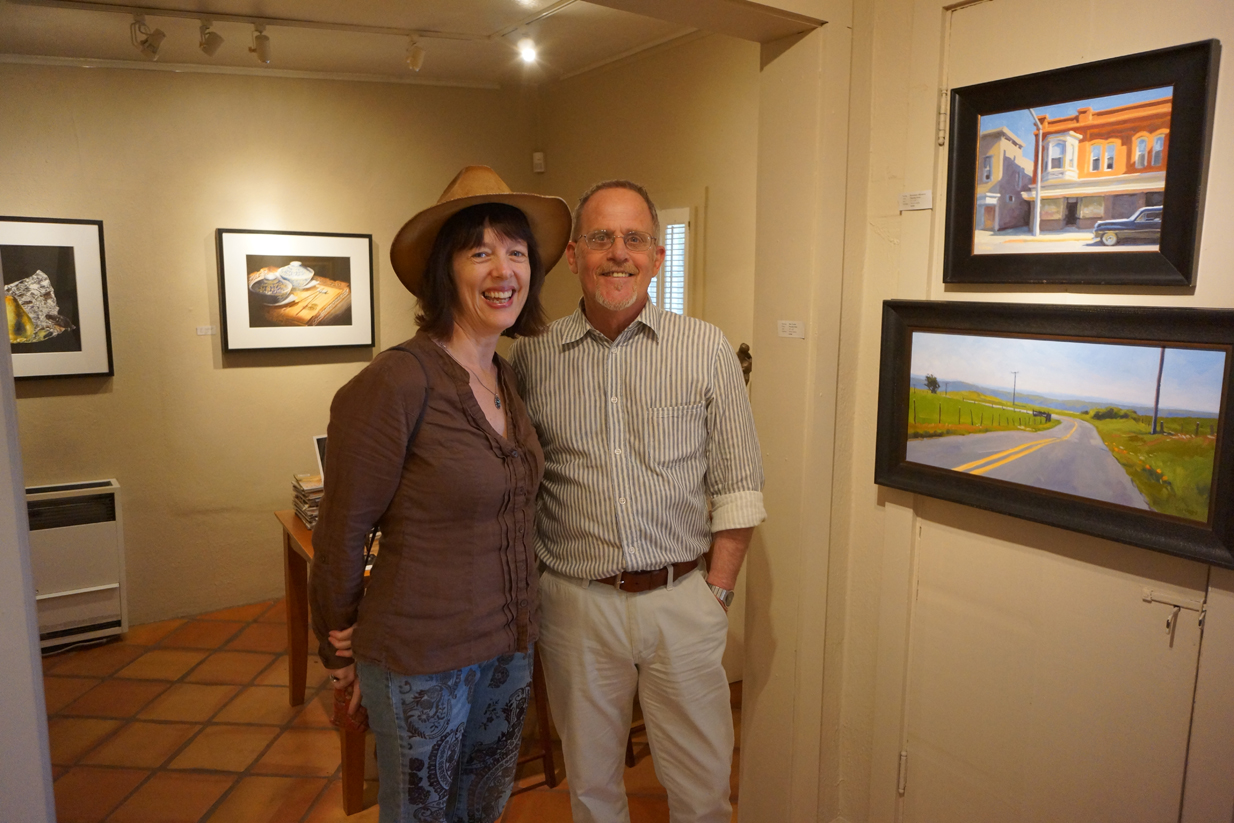
The owner of the gallery where I think Byrne and Duncan lived, Mark Greenberg, has family on Hilton Head but adores the town he chose to make his home. He’s on the board of the Canyon Road Arts Association and told me that in Byrne’s day, Canyon Road was as known for bar fights as painting – there was practically a shooting every weekend. Now there are as many famous actors in residence as painters: Alan Arkin and Gene Hackman have houses just up the street.
Byrne loved her years here. Duncan, not so much. The novel he began here is depressingly bleak, his query letters to publishers almost desperate in their defiance. It’s all a fascinating part of the memoir. Duncan was a Charleston SC native and he felt claustrophobic, without any bodies of water nearby. After a week in Santa Fe I felt the same. It’s a beautiful city, with incredible art and architecture, but so dry I literally had to stick my toes in the Rio Grande on a day trip out of town just to feel human again.

Ghosts of Dances Past
I like my ghosts bite-sized, the connections to the past manageable. And so my visit to Santa Fe’s St. John’s college today was perfect. I wanted to see the beautiful campus where, in 1965, Byrne Miller talked her way on to the faculty without a college degree or any other experience teaching dance at the college level. And I wanted to see where the Byrne Miller Dance Theatre was born.

I snapped this picture on the walk up to the college. It doesn’t do the beauty justice. It’s a fifteen minute drive up canyons from Santa Fe and it feels as remote as a ghost town in the summer. The air smells of wild sage and fragrant Russian Olive tree blossoms. The arroyos are dry as a Georgia O’Keefe painting and the sky is a hypnotizing blue. The college was brand new when Byrne and Duncan arrived in Santa Fe nearly fifty years ago – an experiment in using the Great Books as the entire syllabus. It still does, only in the summer you can sign up for seminars like “Humanity Exists in a State of Rupture from the World”: Hegel, the Fall, and Spirit’s Alienation from Nature. Or the tidier-sounding “Reductionism, Naturalism and Undecidability.”
But I wasn’t here to check out the courses. There was a chance that I’d find more photographs of Byrne’s tenure here. On the back of one of her best publicity shots Byrne hand wrote the name Robert Nugent. During the research phase of writing “The Other Mother” I’d tracked down the accomplished photographer on the internet. We’ve talked on the phone and while he remembered Byrne and Duncan, he shot so many photos at St. Johns that he couldn’t place a specific shot. Since he did most of his work at the college in the 60s for hire, he thought the college would have copies in the library. Alas, they did not. At least not easily accessible on a random visit during the summer break.
But when I showed the photographs I already have to the college’s two librarians on duty (and their dog, behind the desk, it’s that kind of cool school) their faces lit up. It was like they’d seen a ghost – just not the kind I envisioned. It turns out the setting of this photograph of Byrne leading a rehearsal of “The Walls Between” still exists at St. John’s College – only now it’s a coffee shop.


And this photograph of Byrne’s collected son, Ben Barney, using a chair as a prop representing his departed grandmother… well the chairs still exist too. They’re called Jonnie chairs – St. John’s iconic piece of furniture.

It gets even better. The stage where the Byrne Miller Dance Theatre began is alive and well too. It’s called the Great Hall on the second story of the student center and it’s still used for lectures and dance performances.

Again, my cell phone photo doesn’t do it justice, but these plush red curtains open up to a stunning view of the Sangre de Cristo (Blood of Christ) Mountains. I can’t say for certain, but if there are ghosts of Byrne’s life work, they were dancing in the beams of light streaming into the Great Hall of St. John’s college this morning.
Duncan’s Sante Fe
Memoir is usually written in first person, a slice of biography told by the person who lived it. But “The Other Mother: a rememoir” is only half traditional memoir. I visualize the book as having two movements: one is mine and the other is Byrne and Duncan’s story. That other half is why I call it rememoir – it is the truth of their lives as they and I remember it.
This doesn’t mean that I just sat around and typed out conversations from memory. I’ve used every available source to get at the truth – from interviews with other “collected children” to newspaper articles written about Byrne and Duncan wherever they lived around the world. Another great source of information is Byrne’s papers – including a sporadic journal – which she donated to the Beaufort County Library’s Special Collections.
I’m blogging from Santa Fe today because I had the chance to see, first-hand, one of the places the Miller’s lived and left a lasting mark. They moved here after a sojourn on St. Thomas in the 60s. Right away, Duncan managed to get selected to write a stage play for the annual Santa Fe Fiesta. It was a big honor, especially for an outsider. The headline of a July 31st, 1966 article in the New Mexican declared “Miller Pair to Direct Fiesta Melodrama.”
The melodrama portion of the fiesta continues today – a new one staged each fall in conjunction of the burning of Old Man Gloom. But I’ve always wanted to see why Duncan chose the title and topic he did. His melodrama was called “The Sinister Secret of the Sawdust Sepulcher, or, A Capital Conspiracy.”

I knew from archival research that he was referring to the newly built New Mexico capitol – a controversial building that replaced the traditional capitol dome with what was called a Territorial Design. Duncan hated it and thought the round, stuccoed building looked like sawdust. Apparently he had company – it was quite a controversy in the mid-60s.
But I wanted to see if for myself, to see if Duncan was just being curmudgeonly. The first thing I noticed was how unpretentious and egalitarian it is. We pulled our boat of a rental car right up in front and parked without any meters or guard gates. We walked into the building itself, cell phone camera clicking, without being stopped. Guides, not guards, greeted us with information brochures and invitations to look at all the local art on display. The heavy wooden doors to the House and Senate chambers were unlocked – practically inviting admirers. I wouldn’t call the architecture beautiful but it felt so American to me, in the best possible way. Government by and of and for the people.

I walked out of the capitol thinking Duncan arrogant, even a little mean spirited for satirizing the statement the architect was trying to make at the time. Byrne used to tell me he never liked it here in Santa Fe – too dusty, monochromatic and void of water. He didn’t see the beauty in it she did, that now some 68,000 people who live here do. But then again, to be fair, in the 60s it wasn’t nearly the artsy-glamorous mountain town it is today. Compared to Charleston, where Duncan was from, it must have seemed a desert outpost. He took no comfort in the company of other artists and writers who had discovered the town and made colonies and studios here.
I have no script of “The Sinister Secret of the Sawdust Sepulcher, or, A Capital Conspiracy.” For all I know Duncan might have meant it as a joke, making fun of the controversy more than protesting the architecture. But given how happy Byrne told me he was to leave Santa Fe for Beaufort in 1969, I suspect he lived here as an expat in his own country.
It’s part of the mystery of rememoir. One of my dearest sisters-by-Byrne is a yoga instructor in Savannah. Judean said that when her mother died, her siblings had such different memories — even resentments — that she wondered if they were remembering the same woman. She told me to expect the same confusion as I wrote about my “Other Mother” and the man who shaped her life.
What it comes down to is being true to the truth of the person I knew, and I knew Byrne’s Duncan. All I have left is Byrne’s memory of the man who wrote that snarky play. She saw the Santa Fe Fiesta and it’s annual burning of Zozobra (Old Man Gloom) as a way to discharge demons. She hoped Santa Fe’s dry mountain air would clear the cobwebs in Duncan’s mind and allow his creativity to blossom. When it didn’t, she didn’t judge him – as I find myself doing.
What I learned on my tour of the Santa Fe capitol is how difficult it is to withhold judgment. Byrne could, because her love for Duncan was so strong and tested. Santa Fe released the gloom and reaffirmed her faith in the power of their partnership instead.
Byrne’s Santa Fe
I’m about to step into a time warp, only it’s all in my head. I’m flying to Santa Fe tomorrow, one of the four key settings in my memoir about Byrne Miller. She lived there in the early 1960s, a contemporary of Georgia O’Keefe. Santa Fe, not Beaufort, is where she started the Byrne Miller Dance Theatre.
I’ve never been, unless you count back porch conversations with Byrne and research for the book. Santa Fe exists only as a backdrop for me, a place frozen in time, and I’m a little nervous that the contemporary city won’t feel as magical.
Byrne reveled in the chance to reinvent herself and Santa Fe was a willing stage. This is how I described her driving the family out West.
Of the three westward-bound Millers, only Byrne allowed the stark freedom of the landscape to lift and thrill her. She drove with the front seat pushed all the way back to accommodate legs meant more for the stage than a station wagon. With her chin up-thrust and wrists draped over the top of the steering wheel she could just as easily have been racing a horse-drawn chariot around a Roman coliseum.
The Millers arrived at the tail end of its artistic heyday, when writers formed colonies and housing was cheap enough for artists to afford. Byrne rented a house at 203 Canyon Drive and turned it into the studio that would become the mother ship of the Byrne Miller Dance Theatre. That address will be my first stop in Santa Fe – to see the building where it all started.
I know that Canyon Road today will be a very different place – it’s been discovered and prettied up – the heart of the city’s gallery district. But I’ve braced for this kind of reality check once before, in the course of writing this memoir, and I’m learning to appreciate even whispers that places still offer from the past. Last summer, I found the building where Byrne and Duncan lived when they were first married, in Greenwich Village. Morton Street is nothing like the bohemian, immigrant-filled place it was in Byrne’s day, but I still felt a connection.

In Santa Fe, I feel certain I will find a sense of connection again. I am about to launch “The Other Mother” so it seems fitting to visit the place where Duncan also began a new novel.
For months he paced the portal that ran along the length of their Adobe house at 203 Canyon Street, his pipe in one hand and a writing notebook in the other. When ideas came to him, he shoved the pipe between his lips and exhaled through the corner of his mouth, keeping his hands free to scribble down dialog or exposition. He eased into a curved leather Equipal chair to sharpen his pencils or refill his pipe, catching the loose crumbs of tobacco in a soft Mexican blanket folded on his lap.
I suspect that one of the reasons Byrne and Duncan decided to relocate to Santa Fe was because Byrne hoped the company of other writers would inspire Duncan to write something fresh. She couldn’t have known that almost 50 years later, it would be a place that inspires one of her collected daughters to write the story Duncan never could.
Auntie Mermaid
Spoiler-alert…if you choose to read this blog you will find out one of the deep dark secrets in my upcoming memoir “The Other Mother.” I am a mermaid. Ask two out of my sister’s three kids and they’ll confirm it. They’ve even seen my tail. The original sighting happened just once, years ago, in the bathtub of my sister’s Orange City Florida home and because of that mermaid transgression, I’ve been on long-term suspension by mermaid management.

I had to have some answer to the question that has plagued me ever since: when do you get your tail back? That it isn’t up to me has been a good enough excuse to satisfy my two nephews (the oldest one until he turned 15 anyway.) But it didn’t seem fair that only the boys had actually been to Weeki Wachee Springs and seen the live mermaid show that started my nickname of Auntie Mermaid.
Well, I finally got to take my 8-year-old niece on a girls weekend where I introduced her to the wonders of her mermaid heritage. She too, believes she is a mermaid. After all, her name is Marina Teresa, after her aunt. She has personally applied the magic suntan lotion to my legs so that her Auntie Mermaid’s tail becomes invisible to anyone but other mermaids. We wouldn’t want any non-family members to find out my secret and ruin it forever. But eight years is a long time to go without meeting another living, swimming mermaid.

I don’t know which one of us was more excited, me or Marina. I love the fact that Weeki Wachee is a piece of old Florida, charmingly hokey while still a natural oasis. But I was a little worried that the whole park would seem stale and boring to a kid raised on special effects and amusement parks like Disney in her backyard. I should have had more faith.
The first Weeki Wachee show was, of course, Hans Christian Andersen’s “The Little Mermaid.” Marina sat next to me in the underground amphitheatre with its glass wall looking out an actual fresh-water spring. The curtain rose with a cascade of bubbles and when they cleared, four nubile mermaids waved back at us, their long hair drifting in unseen currents.
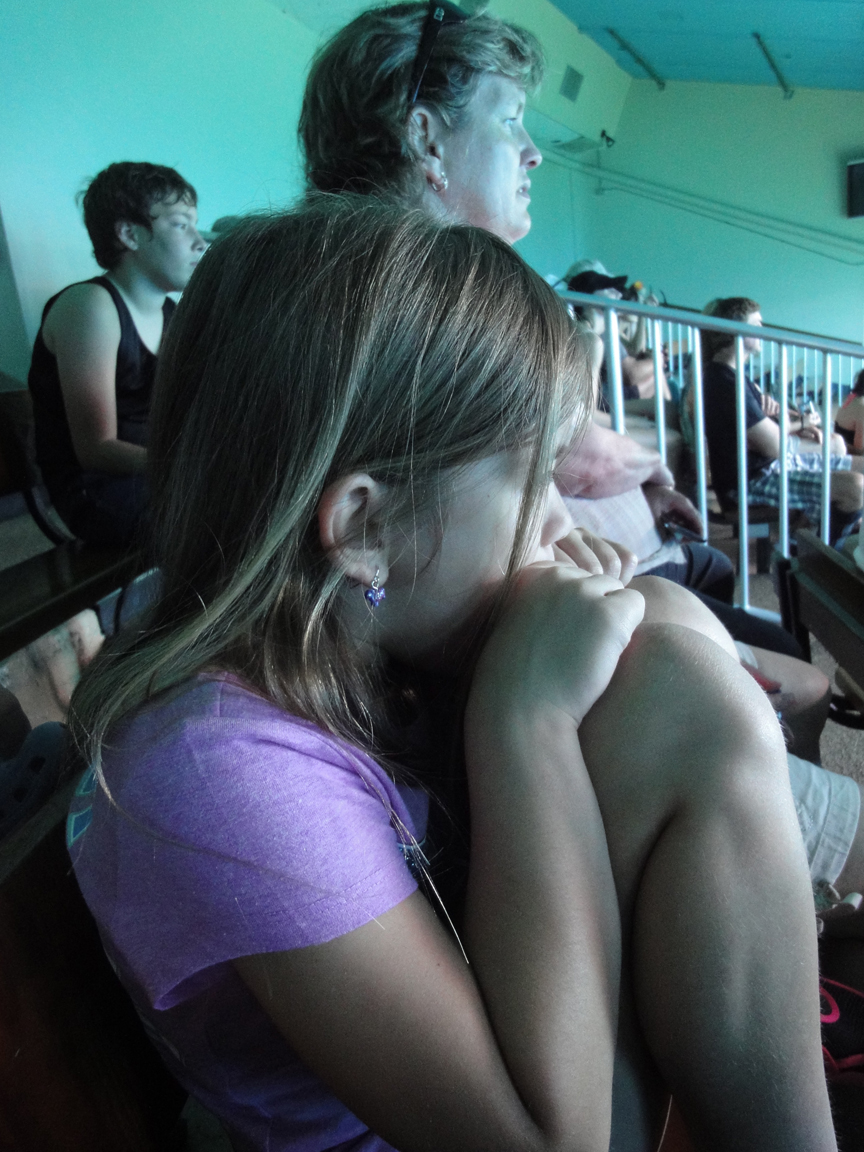
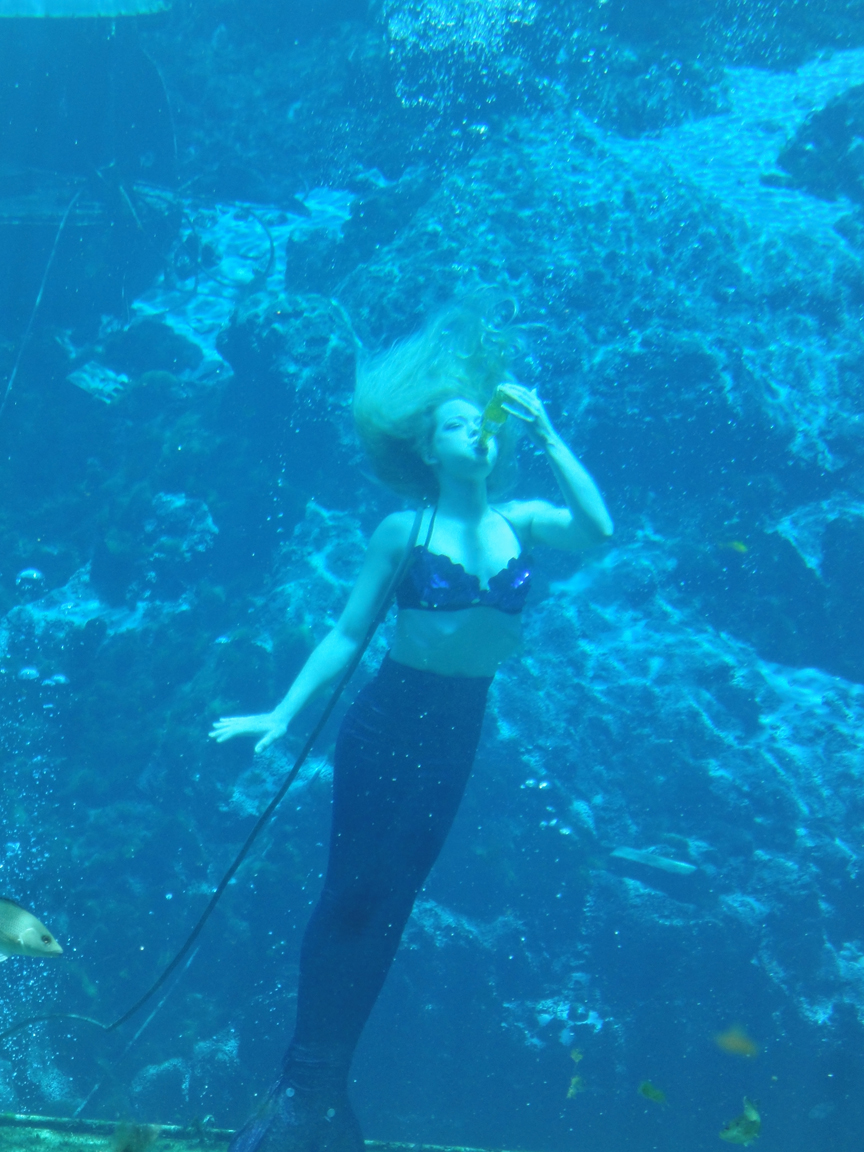
For the first few minutes Marina was so entranced she couldn’t talk, and then the questions never stopped. “Is she your friend too?” and “I think her tail is the most beautiful, don’t you?” were easy. When, during the second show, the emcee explained “how they do it,” Marina’s questions got trickier. We decided that fresh-water mermaids have to use little tubes to get air because they’re used to salt water. The girls with legs instead of tails are just actresses pretending to be real mermaids, or else they use the same super secret leg lotion I do to keep their tails invisible.
I would gladly slather myself in mermaid lotion forever to hold onto the magic of our Weeki Wachee weekend. One day Marina might think her Auntie Mermaid delusional and embarrassing, but for now she swears she wants to grow up and be just like me. Except for one thing. Instead of writing stories about what it’s like to find an “Other Mother,” Marina plans to write a book about being a mermaid.

What Mexico Taught Me About Monsanto
I’ve traveled and worked in dozens of countries around the world, and usually find something about the experience that makes me appreciate the United States all the more when I return. Odd things, usually, like safe building codes and the rule of law. But sometimes traveling shines a spotlight on what needs changing in this country. It took a one-woman performance art show in Oaxaca to make me pay attention to genetically modified foods and multi-nationals like Monsanto. And ironically this Saturday a Chilean friend and former model is organizing a protest march and information session at Waterfront Park in Beaufort. Josefina Blanc isn’t trying to radicalize her new home town; she just wants us to pay attention to a policy and apathy that our country is foisting on the rest of the world. Our ambivalence about genetically modified foods has consequences far beyond the junk we feed our children. I just didn’t realize that until I met a dancer who goes by the name Violeta Luna.
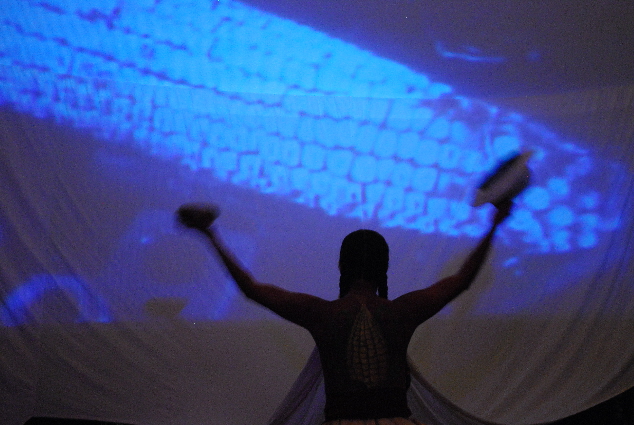
We heard about her show on the street, a flier thrust into the hands of tourists passing by a beautiful Colonial building in downtown Oaxaca. I knew, vaguely, about the tortilla riots in Mexico after NAFTA flooded the market with genetically-modified corn so cheap that local farmers couldn’t compete. Honestly though, it was the chance to sit under the graceful arches and magnificent tile work that motivated me to go inside for her performance. But once the music started, I couldn’t take my eyes off Violeta Luna.
She transformed herself from a beautiful indigenous dancer into what threatens her people most: genetically modified corn. It was a dramatic, shocking, creative representation of what she feels has happened – she “modified” herself on stage, literally injecting herself with water and layering artificial coverings over her body until she almost suffocated. At one point she left the stage and walked to where I was sitting. I was embarrassed, and a little ashamed. It’s my country that is pushing this unnatural process on hers. She knelt before me and patted clay over my legs and feet. I felt conspicuous and yet it was logical that she assumed I had the power to spread the word beyond Oaxaca. But when I looked into her eyes I saw so much more. It was not so much a symbolic anointing of a white woman in a crowd of natives but an offering of protection.

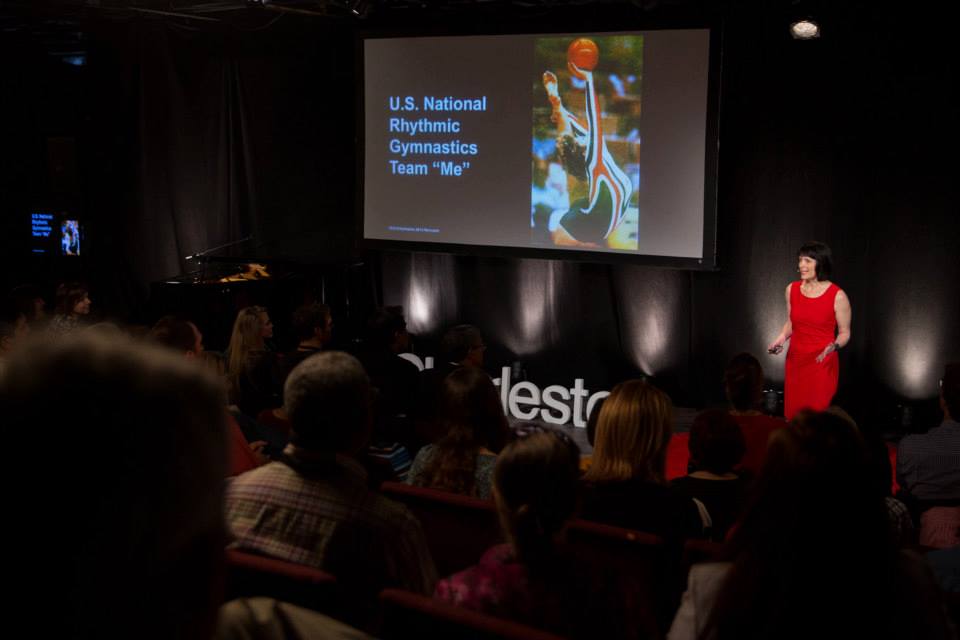
My TED talk — “The Wisdom in Quitting: Lessons from my Other Mother.”

A tiny microphone floated on a wire curved around my face to rest an inch from my lips – like a little moon orbiting my planet. The tag inside my new dress scratched against my sweaty skin and I wondered how long the coat of mascara expertly lacquered to my eyelashes would stay dry and put. I paced behind a slit in a heavy black curtain for a charismatic emcee to finish his introduction of me.
I haven’t been “on-deck,” ready to go out and perform a routine since I was an 18-year-old rhythmic gymnast trying for a spot on the U.S. Olympic Team. I quit competing a lifetime ago when I broke my back and yet there I was, as nervous as if I was about to take the floor in front of a panel of judges. That was when I laughed – and thought of my “other mother:” Byrne Miller.
This TEDx talk wasn’t about me trying to score a perfect 10 – it was a chance to share her story with people who didn’t have the luck of knowing her in person. I could practically feel Byrne’s presence – not like a guardian angel hovering protectively, but in the front row, reveling in the attention and beaming. She once told me her secret dream was to rent out Lincoln Center and have her favorite modern dance company perform just for her but I couldn’t help thinking she would have loved this even more.
The TEDx 2013 Charleston theme was reinvention, and I was the kickoff speaker. There’s something about the story of a burlesque dancer who believes that, to build confidence, all women should have at least one affair that wakes up an audience. I talked about how I’d always been afraid to quit anything before I met her. I was afraid because I equated quitting with failing and I was raised to be a perfect daughter: an Olympic gymnast. Never mind that I hated competing and loved to dance more than anything. Quitting, especially when I was ranked 4th in the U.S. and the top 3 were going to the Olympics, was out of the question. It took breaking my back before I felt like I could quit without being a quitter and I was still trying to be the person my parents expected me to be when I met Byrne Miller.
I was drawn to Byrne because she seemed the opposite of a quitter. But in the course of researching her life for the memoir I realized she just called quitting something different: walking into another room. She reinvented herself continually and she wanted all of her collected daughters to have the confidence to do the same.
All of that, and so much more, is about to be published in the book. But I’ve never spoken to any group of strangers about this part of my life, and how it intersected with hers. I wondered if the message would resonate with a TED crowd. I wasn’t talking about a cure for cancer, or how to change the world. But it turns out that my very personal experience is actually universal.
Men came up to shake my hand and say how they tweeted Byrne’s “womenisms” throughout my talk. One dad told me he was going to talk to his kids that night and make sure they understood that even though he’s proud of them that they have the right to determine their own identity. A woman in her late 50s said she’s quitting her six-figure career of 30 years and my story gave her the reassurance that it’s okay – not crazy – to redefine herself. I gave her a card with a snapshot of Byrne and one of her favorite sayings: “Love is more disarming than logic.”
I would have been dancing on air if those were the only three people who talked to me throughout the day. But my favorite new sister-by-Byrne was a woman whose husband just got a job at the Citadel. She towered above me, as gloriously tall as Byrne once was, and said that she always thought she was too big to be a dancer. Now she leads a weekend dance “church” open to all women and children who just want to move.
At the reception I met a woman my age who had also been an elite gymnast and trapeze artist. She broke her back not once but twice before she listened to her own heart and became a clothing designer. I met not one but three daughters of immigrant parents who knew exactly how hard it is to quit anything when you’re supposed to be perfect.
I felt like everyone in that audience was already dancing with Byrne. Being a quitter never felt so victorious.

Mother’s Day for Other Mothers
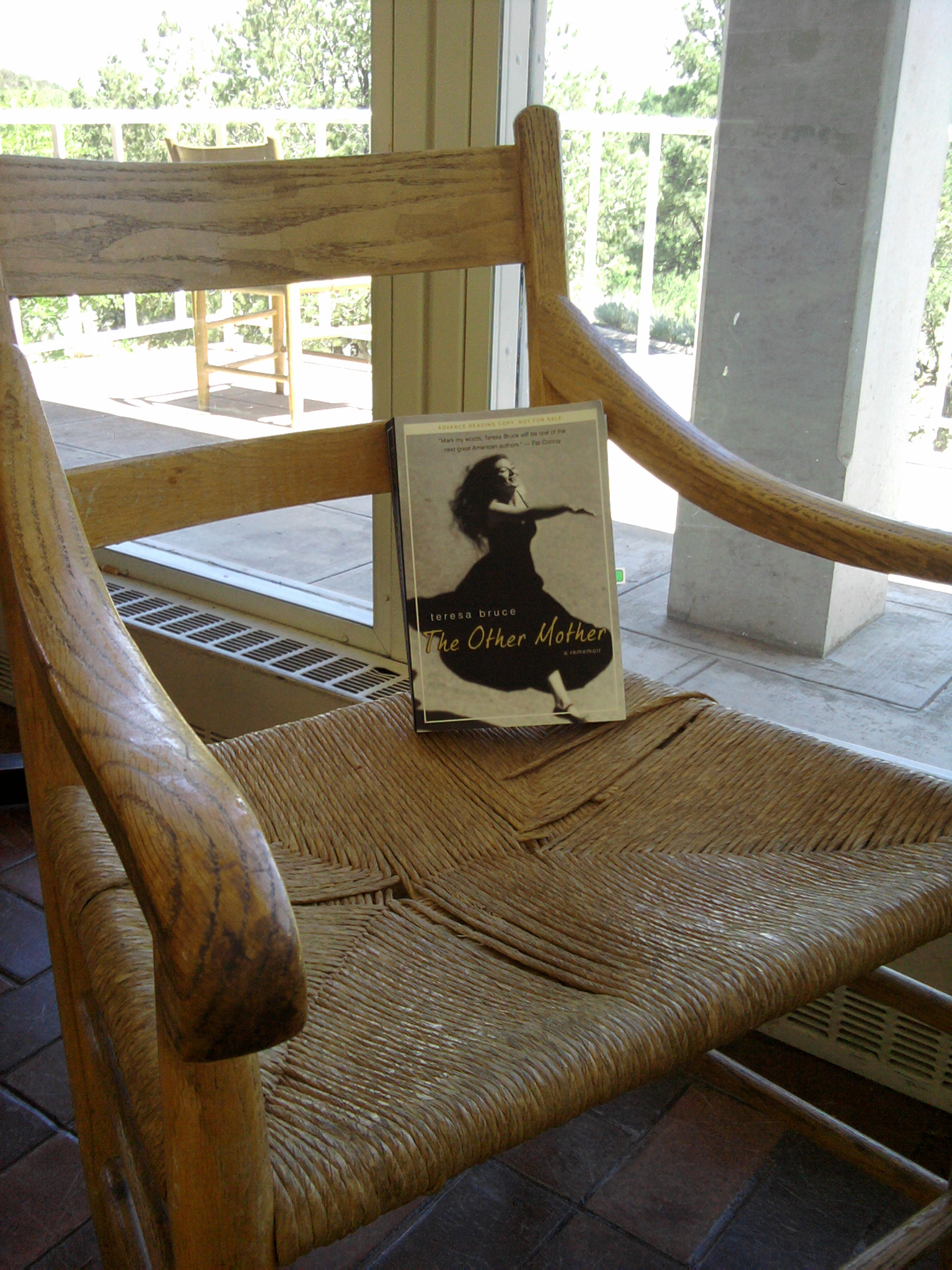
The title of the memoir about my relationship with Byrne Miller is called “The Other Mother” so my publisher is offering a free download of the first chapter on Mother’s Day http://www.jogglingboardpress.com

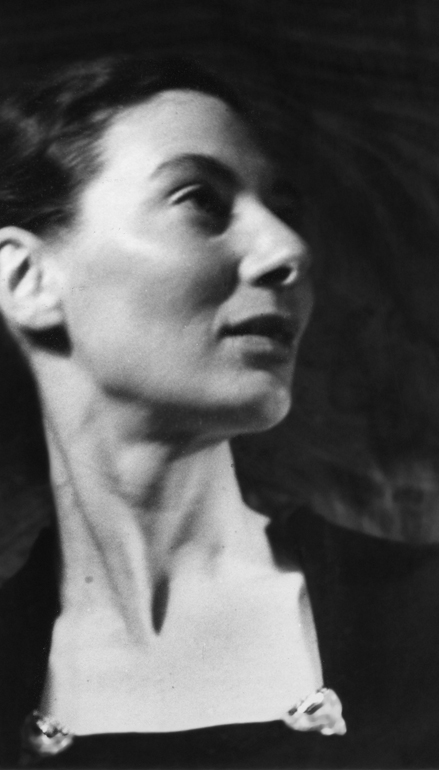
You would think, based on these photos, that both of my “mothers” were dancers. But my mother’s dreams of dance stopped after high school, when she met my father and started having children. Byrne had a different concept of parenting. Instead of carpooling her two daughters from activity to activity, as my mother did, Byrne reversed the steps. Alison and Jane tagged along wherever Byrne lived and danced around the world. When they did not follow in her dancing footsteps, Byrne collected “dancer daughters” and formed her own company, which is how I met her in Beaufort long ago.
I was in my 20s and Byrne was in her 80s at the time. I love my mother, but I needed the kind of encouragement Byrne’s example provided. I became one of her “collected children” and she became my “Other Mother.”
I am certainly not the first woman to have lucked into such a relationship. I’m not talking about favorite aunts, coaches or mentors. “Other Mothers” are not related or responsible for you in any way. They don’t have a vested interest in your identity. They don’t judge themselves by your successes or failures. That’s why they’re free to offer alternative lifestyles, philosophies, religions or, in my case, the confidence to take risks.
You don’t have to be a modern dance pioneer to become an “Other Mother.” Byrne simply had a way of attracting followers to her exuberant positivity. She spoke in colorful anecdotes and analogies I call “womenisms” in the book, things I couldn’t have heard from anyone but an “other mother.” Who really wants to listen to their actual mother talk about sex, for example? But Byrne could entertain her collected daughters for hours with stories of men she knew and loved and what she learned from each of them. “Every woman should have at least one affair. It builds confidence,” she told us. And “No woman should try to be everything to a man. It’s beyond valiant. It’s stupid.”
Looking back, I think the best mother’s day present I ever gave my mother was having an “other mother.” Byrne’s presence in my life freed my mother. She knew I had someone to pick up where she left off. She could focus on her own life and goals after years of, in a sense, living through me and my sister. She also knew that being a mother didn’t have to stop when we left home and moved far away. She still has lessons and wisdom to share – and I’m sure that there are young women in Mexico (where she lives) who would be lucky to have her as an “other mother.”
I hope, through the memoir, I’m offering another kind of motherhood to celebrate this Mother’s Day.

 "TeresaBruceBooks"