travel
The Florida foreigners see
As a travel blogger and author regularly enchanted and transformed by other countries, I’ve often wondered what aspect of traveling in my own country appeals to foreigners. It’s not as obvious as you might think. We’ve got awe-inspiring natural splendors and incredible geographic diversity – but nothing a native Argentinean couldn’t find in Patagonia, or a European in the Alps or an African in the Sahara. As for history, even our 300-year old landmarks would underwhelm tourists from places more long in the tooth.
I’m convinced that the stories travelers take back from the United States have more to do with how proud (and free) we are to fly our freak flags. Take last weekend in Florida, for example. I make the 6 hour drive down I-95 to Orlando as infrequently as possible. Too many wrecks. Way too many weirdos. We were driving over a bridge in Jacksonville a few years ago when Gary noticed a white panel van, bungee-corded together, driving suspiciously slow in the left lane. Something or someone was thumping the walls of the van from the inside. What’s creepy about this story is that we both shrugged and said “Freaky Florida” – in unison – before snapping to our senses and calling in the license plate to 911.
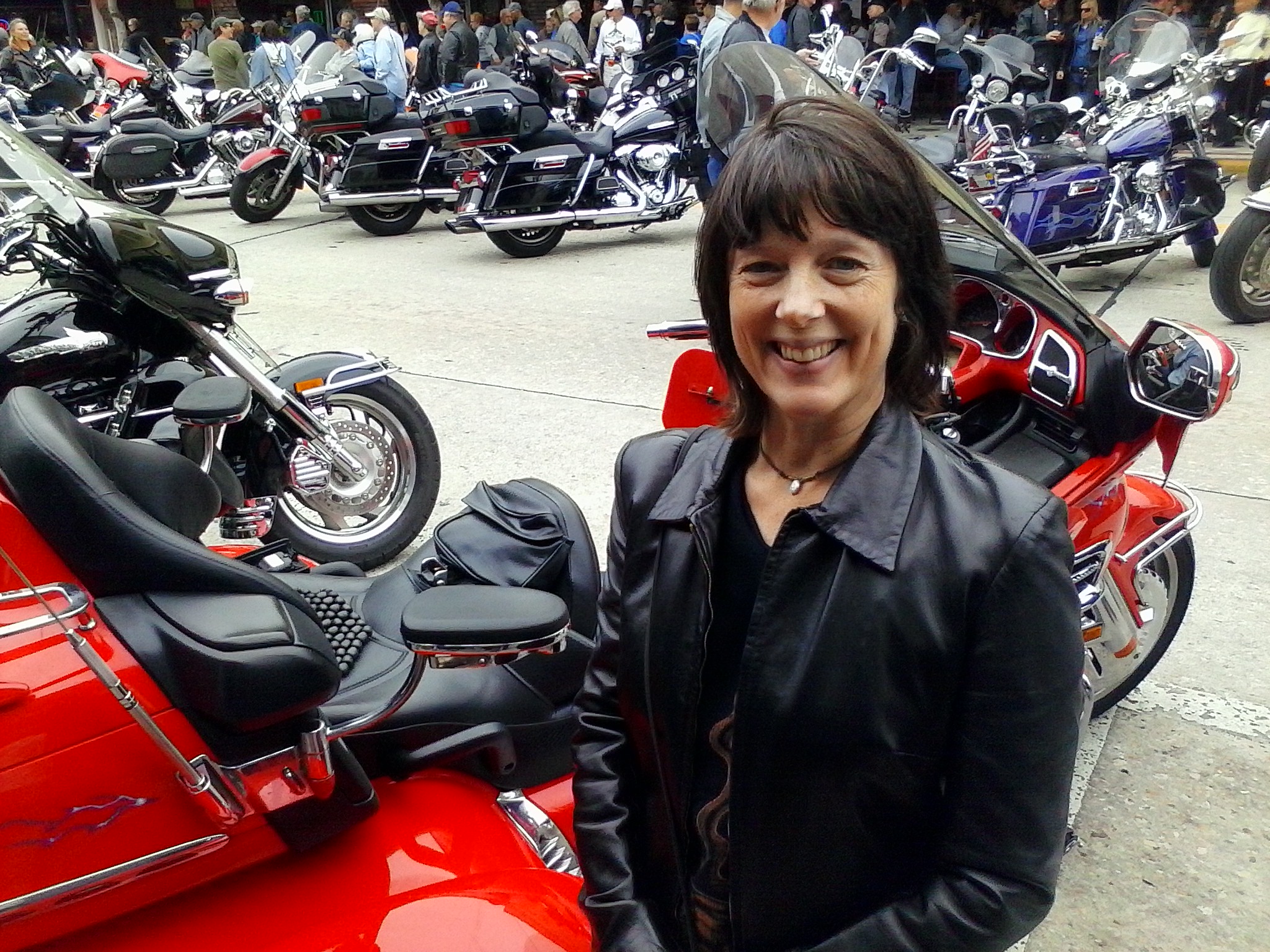
Last weekend changed my view of Florida. My brother-in-law turned fifty and we got to Deland with a few hours to kill before his surprise party. As luck would have it, the main street of this charmingly “historic” city was reserved for Harley Davidsons. It was Deland’s “Bike Day” – the kickoff of the world-famous Bike Week in nearby Daytona. I have never seen so much muscle, machismo and flat out sexy machinery in my life. The riders today are a far cry from the Hell’s Angels that made the bike an American icon. I saw as many cappuccinos as beers clutched in the fists of baby boom bikers walking up and down the streets. The mood was more family reunion or corner bar happy hour than motor-revving tough. One couple even got hitched. The biggest surprise to me was the creativity – there were keg-powered hogs, Harleys crossed with old-time horse buggies, side car grilling stations and paint jobs that would make Michelangelo swoon. This was American ingenuity and can-do writ large. And loud.

No wonder tourists flock to America, and states like Florida. Especially when Sky Dive Deland is just up the highway. It was packed with foreign tourists spending their money with huge, skin-flappy grins on their faces. That’s what happens to even lithe, fit people’s faces when they fall through 14,000 feet of sunny Florida sky.

I’m not sure who invented skydiving, or where, but it could not be more American in spirit. All it takes to get started is renting a parachute, watching a short video and a willingness to have a complete stranger ride on your back controlling your tandem descent. Money, media and instant intimacy – followed by high-fives and beer at the “Perfect Spot” bar adjacent to the landing field.
Most of the foreigners were in Deland for an international team skydiving competition, pitching tents in the field to save money for jumps and beer. This is the “America” they’ll talk about for years. American ambassadors don’t serve in far-off embassies. They spit polish their beautiful bikes. Jump out of perfectly good planes. Smile for any camera. Raise a glass, or a can, to any celebration. America’s biggest tourist attraction is our freedom to be and do whatever we can afford, no matter how freaky.

U.S.-Cuba negotiations through the lens of photography
So the second official round of talks to reestablish diplomatic relations between Cuba and the United States wrapped up last week and the tricky bits are beginning to overshadow the initial excitement. Not surprisingly a huge hang-up is money, because banking in Cuba is hamstrung by its designation as a sponsor of terrorism. You can read all the details in this Reuters piece or this New York Times article, or just talk to any Cuban artist or American collector.

Even though it’s been legal to import Cuban art and photography ever since Sandra Levinson and her Center for Cuban Studies won a pioneering lawsuit against the U.S. Treasury Department in 1991, actually paying for pieces is still a hassle.
One amazing contemporary artist we met was willing to take a 10% down payment in Cuban currency, let us walk away with a $10,000 painting and work out the details later through the honor system. We don’t routinely walk around with $1,000 in our pockets and you can’t walk up to an ATM for extra cash in Havana so we couldn’t even consider the generous, trusting offer of an artist.

Turns out we were smart to sweat the small stuff. Art historian Rebekah Jacob, who sells vintage Cuban revolutionary photography prints from her gallery in Charleston, once had an entire shipment of purchased work impounded by U.S. customs and the legal bill to sort it all out would have been costlier than the photographs themselves.


Robin Blackman is another gallerist who fell in love with Cuban photography when she first visited the famous Fototeca De Cuba center in the 80s. She and her photographer husband were so impressed with the work of new generation of Cuban photographers that they opened an LA branch of Fototeca. She says it became the first independent gallery in the US to develop a relationship with the Cuban government and bring an exhibit of emerging photographers to LA. Eventually the Fototeka LA gallery closed but she still has a few vintage prints. Here’s the crazy part. She recently sold a few but can’t pay the photographer because, decades later, the embargo means he can’t accept US dollars and he doesn’t have internet access to keep in touch on a regular basis.

That’s how convoluted the unintended consequences become when Cuba is designated as a sponsor of terrorism. Ordinary people, and extraordinary art, suffer.
Trending now: the masters of Cuban revolutionary propaganda photography

Imagine being an art history graduate student invited into the personal studio of famed Cuban photographer “Chinolope” Lopez. One of the guys who shot the Cuban revolution for Life and Time. Not quite as famous as Alberto Korda or Raul Corrales but just as amazing. Reportedly got his nickname from Che himself. You fall in love with one of his prints. He goes to show you the negatives. But they’re a gooey mess, stuck together and irreparably damaged. You want to cry for what is lost to future generations.

That’s exactly how Rebekah Jacob remembers feeling when she was on one of her first trips to Havana. Chinolope shrugged it off but she never could. The experience represents the twin hopes and frustrations of dealing with revolutionary Cuban photography, the kind she now sells at her gallery in Charleston, South Carolina.

Sixty years after they were made, these images are still gasp-inducing. There’s the infamous Korda shot of El Che before it was cropped into the ubiquitous image emblazoned on coffee mugs and T-shirts around the globe.
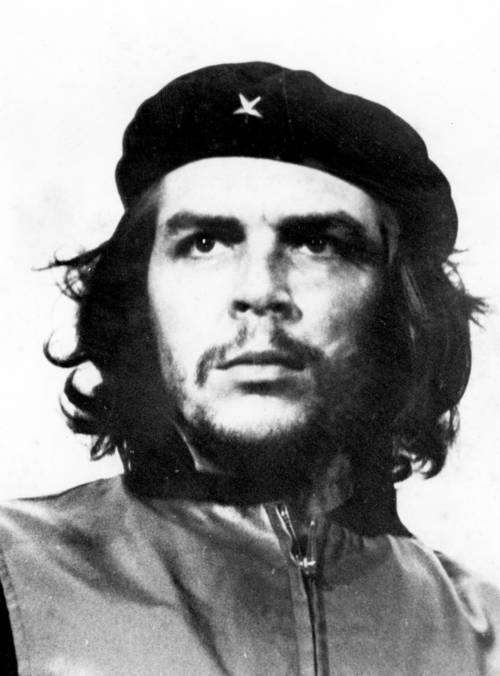
My favorite though, is the epic image of victorious riders on horseback captured by the late Raul Corrales.

Caballeria, 1960
16 x 20 in
Gelatin silver print
“Cuban photography was hot in the 90s,” Jacobs says. “In part because the revolutionary photographers were still alive and had access to American markets. Galleries like the one in Mississippi I worked for at the time would come to the island in the Spring, bringing the photographers chemicals and paper they couldn’t get on the island, and then come back in the Fall to pick up the work. ”
The other part was the tireless lobbying of Sandra Levison who, in 1991, won a pioneering lawsuit against the U.S. Treasury Department that made it legal to import original Cuban art. (Read more about her in this article.)
While the second generation of photographers who apprenticed under the masters (like Korda’s printer Jose Figueroa) were moving on, doing conceptual work and documenting the lives of ordinary Cubans, American collectors were still gobbling up vintage prints of El Che and Castro.

Then Cuba stopped accepting payments in U.S. dollars and the Bush administration clamped down even harder on travel restrictions. Art collectors today could theoretically walk into darkrooms like Lopez’s and take as many prints as they like back to the United States — if only they could spend dollars or pay with credit cards in Cuba.
“Access dried up, right at the time the old masters were dying or losing their negatives to the incredible humidity,” Jacobs says. Because of Cuba’s uniquely isolated situation, they didn’t have access to photography’s digital revolution – losing out on technology that might have saved the likes of Lopez’s gooey negatives, or at least help him market those that did survive.
“Cuba just didn’t have the bandwidth and the photographers got left behind.” By 2004, Jacobs wasn’t selling nearly as much work by Cuban photographers. “The Cuban photography market stalled and the inventory just contracted.”
The good news is that change is coming. On February 27th, 2015, the second round of talks to normalize relations between Cuba and the United States gets underway in Washington and that, Jacobs says, is renewing interest in the market for Cuban revolutionary photographers. The inventory of vintage prints is still low but ever since President Obama announced the move to end détente in December, collectors have perked up. Jacobs predicts prices to skyrocket in the next six months, regardless of how long it takes for travel to return to pre-embargo levels.

So what makes the work of Lopez, Corrales and Korda so collectable years after its propaganda value faded? It goes beyond the images themselves, a by-product of the unique access they had to Che and Castro during the revolution. “These were great craftsmen. They improvised everything and had to print in their bathroom sinks but each one had their own unique style. The tones were all very different. You can look at a print and know who made it.”
Jacobs isn’t alone in her appreciation for and confidence in the market for Cuban photography. Here’s an excerpt from a recent piece in the Seattle Times.
That pipeline of art lovers is about to grow, predicts Alberto Magnan, whose Manhattan gallery Magnan Metz specializes in Cuban art. Magnan, who is currently in Havana, received 25 calls from collectors on Dec. 17, after Obama announced that the two countries would move to restore diplomatic ties. He is now booked through March with Cuba visits.
“It’s absolutely crazy,” he said.
Even though Americans can visit Cuba under rules dating to 2009 that allow “purposeful travel” intended to foment contact with Cubans, many shied away, Magnan said.
“It’s a hassle,” he said, referring to the need to get a license from the U.S. government and pay for works without using a U.S. credit card. Now, however, “they’re saying, ‘I want to go before everyone else does’.”
Cuban photography: the positive of negatives

I fell in love with Cuban photography the moment an elderly street photographer in Havana handed me the still-wet, paper portrait he shot and developed inside a wooden box camera painted bright blue with duct-taped bellows. There was something hopeful about the process – a primitive machine that can only produce a negative and an artist who manages to make a positive from a negative of a negative. That an image so fragile and beautiful could emerge from an outdated chunk of history seems prophetic. That I willingly forked over twenty dollars-worth of Cuban currency for my first piece of Cuban photography even more so.

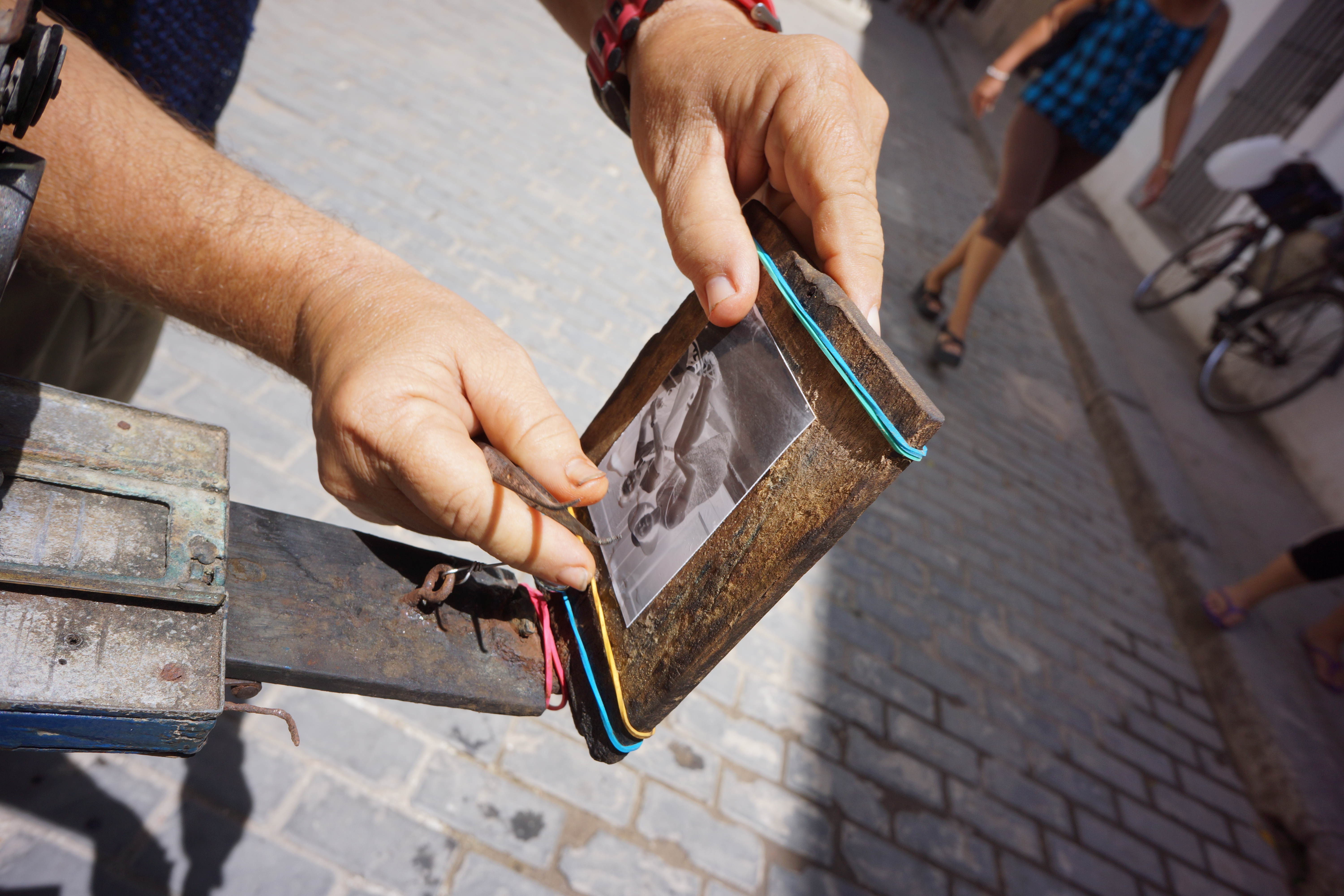
My print hadn’t even dried before the photographer packed up his box and moved further down the street, closer to a crowd of approaching German tourists fresh off a cruise ship. Remember we Americans are the only ones forced to put ourselves through contortions of travel gymnastics to visit Cuba. According to the New York Times, only 90,000 Americans visited Cuba in all of 2012 and 2013 combined (compared to the 21 MILLION of us who visited Mexico last year alone or the 12 million Americans who traveled to Canada) The rest of the world has a huge head start on exposure to, and appreciation of, Cuban photography.
Which is why the photographer I had planned to visit in Havana was on his way to Germany, via Brazil, when we stopped by the Havana International Photography Gallery. Here’s the video that got my attention –
Brayan conveys the street-savvy sense of a new generation of Cuban photographers, influenced by the iconic images of their revolutionary forerunners but eager to move beyond documentation. But the Internet being what it is in Cuba means his gallery doesn’t have a working website. He has no Facebook page to follow. He has to rely on foreign galleries to get his images in front of American eyes.
A relative of Brayan’s was on duty when we arrived. The rest of the family lived in the upper levels of the gorgeous but dilapidated building. Some images are framed and hang, slightly tilted, along the cool, crumbling plaster walls.

But most are loose eight-by-tens, clumped together in bins or suspended by plastic clothes pins. The humidity inside the non air-conditioned gallery is palpable; the prints tacky to the touch. I shudder to think of the condition of the negatives, wherever they’re stored.
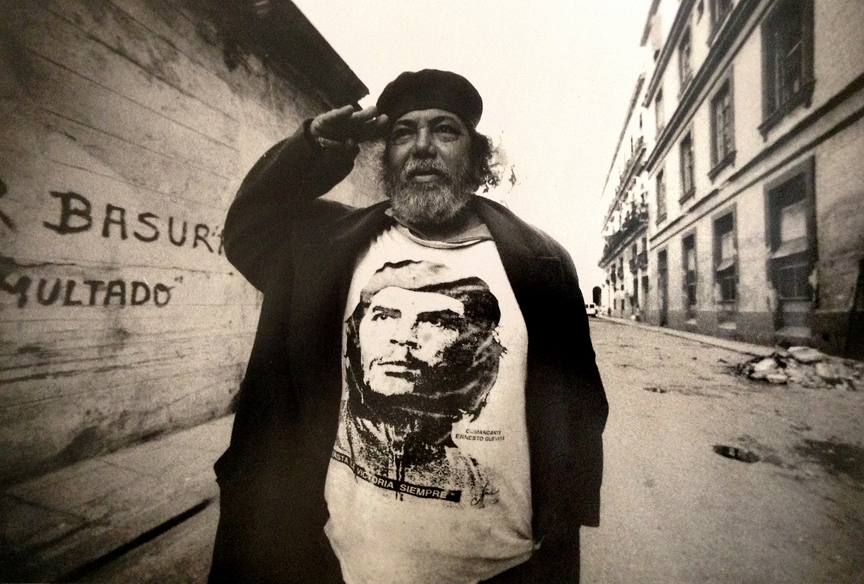
We buy a print for a ridiculously low price. This isn’t about sophisticated tonal qualities or limited editions likely to increase in price.
It’s about sending a signal to young Cuban photographers that yes, Americans will support their work. When we’re free to travel without the encumbrances of “people-to-people” tours or special purpose visits with over-managed itineraries we will wander through the galleries and talk to the artists. We will learn. We will listen to the stories their photographs share. We will be inspired. We will buy. And we will spread the word.
Starting here. Over the next few weeks I’ll be writing about Cuban photography, beginning with a piece on collecting vintage revolutionary photography before it becomes unaffordable. Stay tuned.
Art: the Slave of Inspiration
“We delight in the beauty of the butterfly, but rarely admit the changes it has gone through to achieve that beauty.”
In interviewing both artists whose joint show opens this Thursday at the Rebekah Jacob Gallery in Charleston, it struck me how seriously Tom Nakashima and Gary Geboy take inspiration. I’m not talking about the refrigerator magnet affirmation kind of inspiration, but the demanding mistress kind that compels them both to create.
That light bulb moment most of us imagine as how artists “get” inspired — the way the light hits a pile of upended trees or the delicate symmetry of the veins in a single crinkled leaf – that’s the natural, organic part for Nakashima and Geboy. Art is how they make sense of the world around them but transforming that inspiration into paintings and photographs requires less mysterious tools.
For Nakashima, the tool is often a photograph he makes to capture the textures, details and compositional possibilities of an image. Here’s an example he shared with me for the upcoming “Organic Legacies” show:


Other times, inspiration demands that he build a still life to begin the process of transformation.


“Any fool can be happy. It takes a man with real heart to make beauty out of the stuff that makes us weep.”
― Clive Barker, Days of Magic, Nights of War
Nakashima’s Treepile series got its start with a chance encounter: a huge mound of trunks and tree limbs near rural Berryville, VA. “He begins with nature – piles of dead branches silhouetted against the ground or sky,” wrote Joann Moser, Senior Curator at the Smithsonian American Art Museum, “and transforms them into monumental compositions redolent with meaning.”
For Geboy, the tools of inspiration include the camera and the negative itself – simply starting points for the image he sets out to create. For one collection he took digital snapshots of a different kind of still life: a museum diorama.

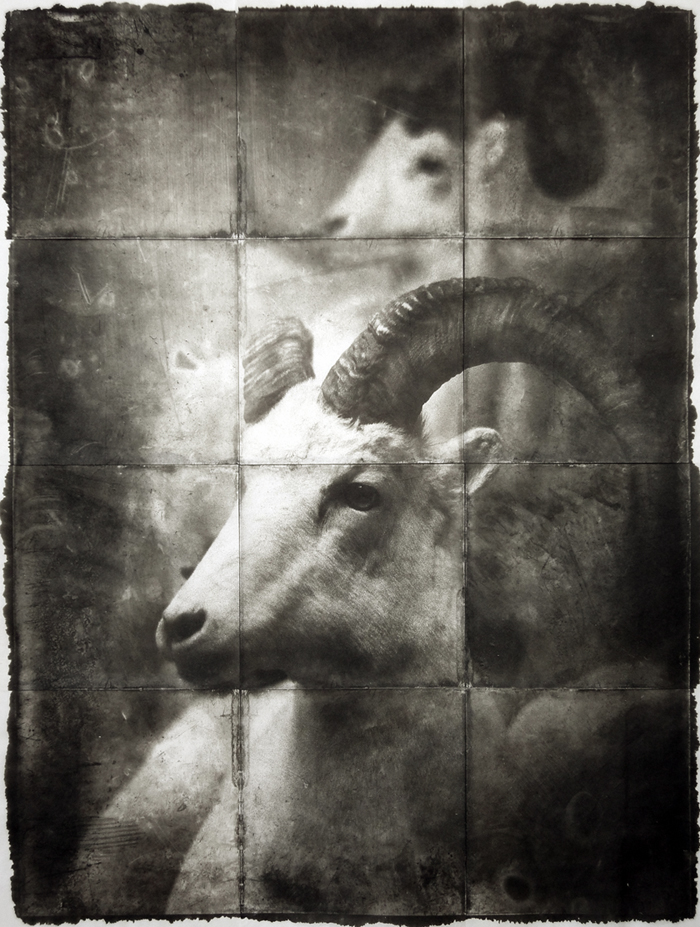
For some of work debuting Thursday, he’s framed both the wet glass plate collodion negatives and the final image for patrons to literally see behind the scenes.

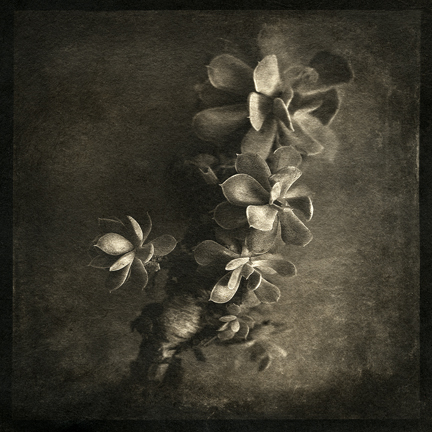
“You might not recognize the process by name, but if you’ve ever looked at Civil War images by Matthew Brady’s photographers you’ve seen wet glass plate collodion,” says Rebekah Jacob, gallery owner and southern art historian. “Gary breathes new life into a forgotten process and preserves a part of the South that is truly universal.”


“Art is the lie that enables us to realize the truth.”
Where other photographers spend thousands of dollars on lenses and cameras, Geboy often shoots with a $20 plastic Holga. Nakashima says his favorite canvass is actually news rag.
“I really don’t have a favorite piece of equipment,” says Geboy. “Each camera I use has a specific purpose and frankly if I could get what’s in my head on a piece of paper without a camera, I’d be a happy guy.”
It’s not surprising, then, that neither artist is fussy about discussing their technique. They know it’s just a tool for expressing something only they can see.
“One eye sees, the other feels.”
For more information about Tom Nakashima and Gary Geboy’s exhibit, which opens Thursday, February 12th, visit the Rebekah Jacob Gallery website.
Stripping the South of Sentimentality
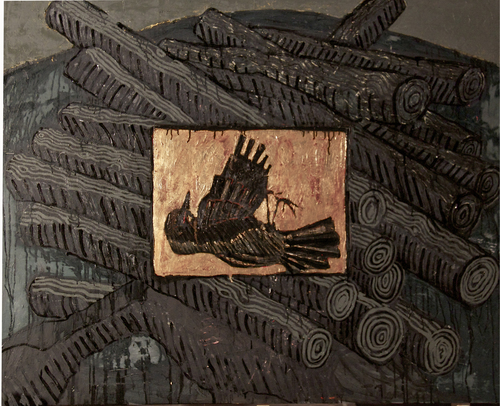
There’s a Southern art exhibit opening in Charleston SC next Thursday, but don’t expect the two featured artists to drop blessed hearts or gardens and guns into their art speak. In fact, don’t expect art speak at all. Both painter Tom Nakashima and photographer Gary Geboy would rather discuss just about anything than how you should interpret their work.
It’s not that they’re shy about it. Nakashima exhibits internationally and has work at the Smithsonian and The Ogden Museum of Southern Art. Geboy’s work has shown from London and Barcelona to the CD cover of a Czech Republic country band.
“If I could put what it means in words,” Nakashima says, “I’d try poetry instead of painting.”
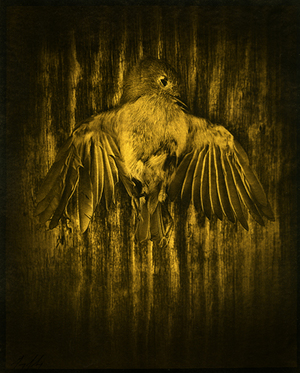
Actually, poetic might be the best way to describe both artists’ work. Geboy’s wet plate collodion and platinum palladium photographs are haiku: formal in their sparseness. The complexity and nuance in each work on handmade Japanese paper is evident only up personal and close – in the textures he creates as backdrops, the elegance of the shapes and the nuance of the tones.

Nakashima is more free verse: an Allen Ginsberg howl of color, collage and rhythm. He sees what ordinary people see when we pass a pile of up-dug trees, even hops out of his car and takes photos of them. But then he paints layer upon layer of interpretation, repetition and abstraction until the image is reborn as something only he could see.


Geboy and Nakashima will meet each other for the first time on February 12th, the opening night of their joint show “Organic Legacies.” Geboy lives in Beaufort, SC and Nakashima is the William S. Morris Eminent Scholar in Arts at Augusta State University. Geboy says his work is most influenced by the photographers W. Eugene Smith and Matt Mahurin, where Nakashima returns to Picasso and Matisse for inspiration. They both come from practical, 2nd generation immigrant fathers who couldn’t imagine their sons becoming professional artists and both have spent more years in Washington D.C. than the Deep South they now call home.
So why the pairing at the Rebekah Jacob Gallery in Charleston, curated by a Southern art historian who describes her gallery as focusing on contemporary painters, sculptors & photographers from the American South? Because the South is more than Paula Deen, shrimp boat docks and carefully pruned azaleas. It’s also the burning mattress from which sprung Flannery O’Connor, the muddy Mississippi that floated up William Faulkner. In Nakashima and Geboy, she found seekers of that deeper South.
“Neither artist grew up in the South so both Nakashima and Geboy tend, by default, to strip the nostalgia and find treasured, celebratory beauty in the landscape and architecture in an objective way,” Jacob says. “They highlight and preserve the natural beauty that makes the South so unique: abandoned houses, tree piles, foliage. But they do so with intellect and exploratory richness. Artists who don’t have their intellect and artistic skill-sets could never get what they get.”


In the art-buying world that translates into a shared collector base — those who have wide knowledge of art through collecting and global travels yet have some connection to the South. And most likely a sense of humor. Both Nakashima and Geboy have poked fun at what it means to be a “Southern” artist. Geboy uses quirky, dark narratives to accompany images in his decidedly unsentimental “Carry Me Home” collection.

“Some of these things actually happened,” Geboy insists. “The stories have just been changed to protect innocent names.”

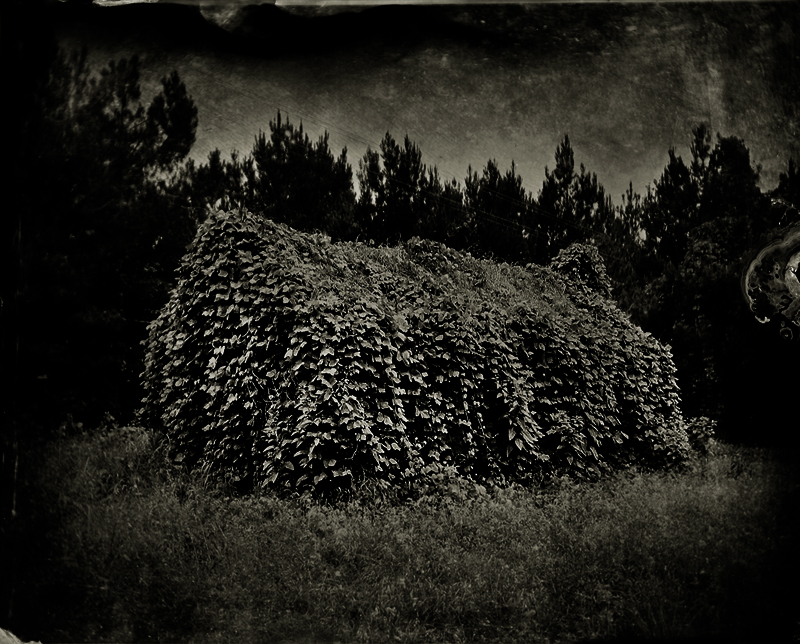
And when Nakashima set out to make his first deliberately “Southern” painting, he picked a dilapidated building he imagines the Devil would call home.
“It’s a big hit in Georgia,” Nakashima says. “Smart people like to laugh at themselves.”
Mr. Obama, tear down that embassy in Havana!


Here’s a carrot we should offer to the Castro regime during negotiations to reestablish diplomatic relations: as a gesture of goodwill we’ll tear down the eyesore we used to call the U.S. Embassy.
Technically the 6-story, blocky building on the Malecon, — built by Harrison Abramovitz in 1953 and renovated in 1997 — isn’t an embassy. It’s a “U.S. Interests Section” administered by the Swiss government in a deal brokered by President Jimmy Carter in 1977.

There might be fans of 1950s modernist American corporate office architecture somewhere in the world, but not in Cuba.
The original building was constructed in 1953 – the same year Fidel Castro launched the attack that precipitated the Cuban Revolution. Talk about a visual metaphor: the all-powerful U.S. erecting a bureaucratic, bombastic looking building while peasants risk life and limb to change the status quo.

Ever since then it’s been a symbol of division, literally a photo backdrop for dashed hopes and desperate times. It became a flashpoint for conflict when Cuba later built the adjacent “Anti-Imperialist Plaza,” to host nationalist rallies where Castro railed against Washington. For decades Cuban police have made pedestrians cross the street to use another sidewalk and prohibited parking.

The U.S. one-upped the ugly by constructing an electronic propaganda billboard in front of the building in 2006, so Castro obscured the sign with a forest of poles flying black flags of protest. It’s time to say “basta!” with the machismo posturing and really connect with Cubans.

Instead of re-occupying a symbol of everything that has ever gone wrong between our two countries, I recommend decentralizing the functions of the embassy. There are hundreds of dilapidated, unsafe but architecturally stunning buildings in Havana. Why not work with the Cuban government to renovate culturally significant landmarks and turn them into offices for Consular Services, a Political and Economic Section, a Public Diplomacy Program, and Refugee Processing.
We would be sending a signal that times really have changed, that the old can become modern and that Americans truly appreciate more about Cuba than old cars and cigars. We could find a brilliant Cuban landscape architect and construct a friendship garden on the empty grounds and actually conduct our business throughout the city where customers feel comfortable. We’d be neighbors instead of imperialists, taking one more tool out of Castro’s propaganda kit. With one big wrecking ball we could celebrate a new chapter in a shared history.
Zombie Kids To Invade Cuba!
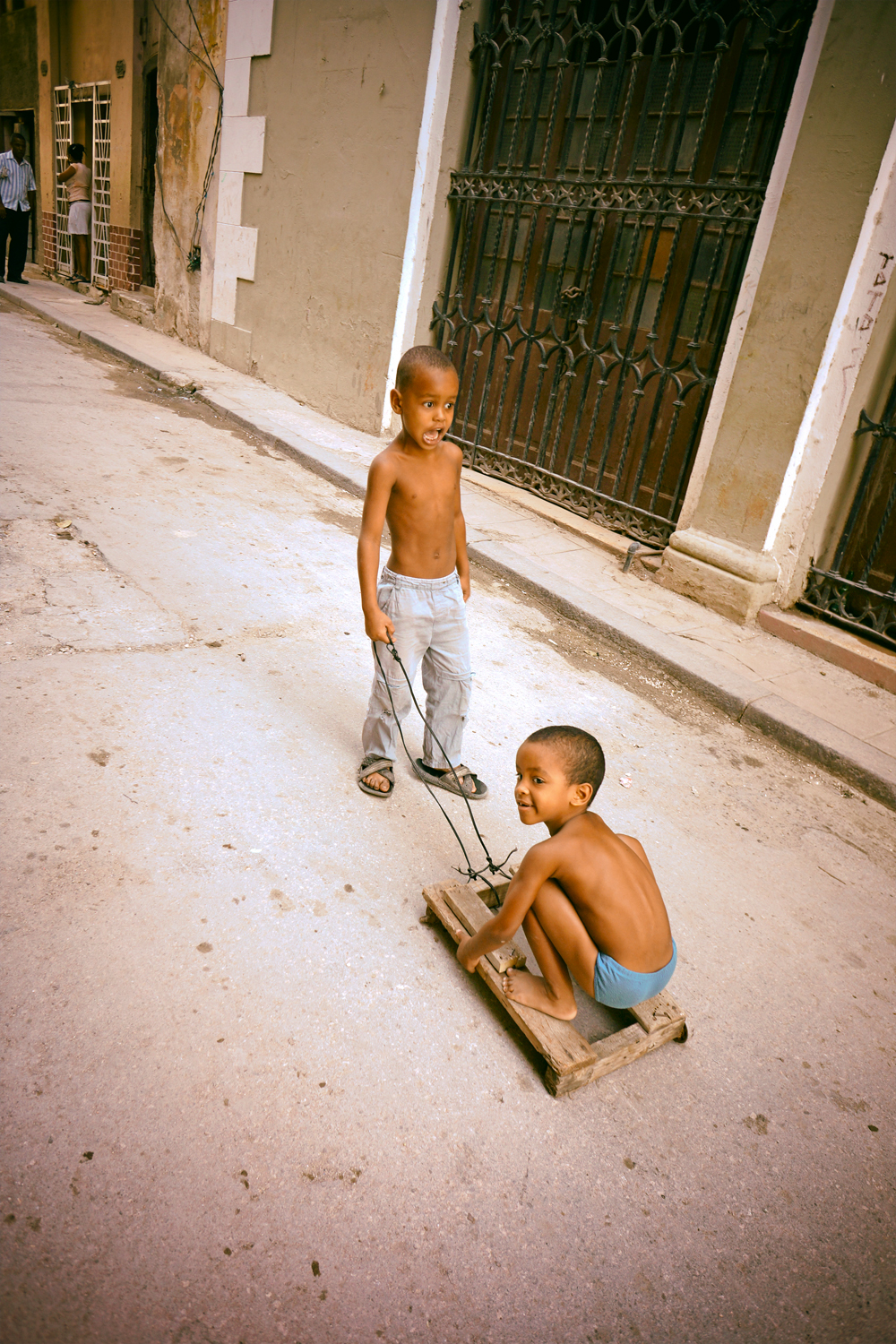
Visit Cuba today and you’ll find boys riding on homemade sleds, girls braiding each other’s hair in the plazas, teams playing handball in the cobblestone streets and teenagers thumbing through stall after stall of used books in the Plaza de Armas.

Imagine, instead, a Cuba filled with kids like ours — staring vacantly into devices, faces lit up in garish blue, thumbs flying, vicariously connecting with actual friends snap chatting back from the other side of a dance floor.
It reminds me of a line from one of my favorite Cuban movies, “Juan de los Muertos,” when Juan faces an oncoming horde storming the Malecón.“Those aren’t Americans. They’re zombies!” Which is probably why one headline in the mainstream media’s coverage of this week’s détente negotiations in Havana gave me pause.
“U.S. Goal in Cuba: Open Up Internet.” – Wall Street Journal 1/21/2015
Despite my nostalgia for face-to-face interaction, I understand the power and place of the Internet in the modern world. From the U.S. government standpoint, access will hasten the demise of the secretive Castro regime and young people connected to each other and the larger world via social media might well lead the charge.

But it isn’t that simple. Access isn’t the same thing as affordability. Take the case of the young man I blogged about a few weeks ago. We met Alex in 2012, back when it seemed like U.S. policy involving Cuba would never change. Alex has a degree in English but the only job he can find involves convincing tourists that his uncle owns the Buena Vista Social Club and he can get them a good ticket. He wants to be a tour guide, thinks Raul Castro is awesome for allowing cell phones in Cuba and asks me how to build a website. But it all seems futile. Alex can’t begin to afford the $6 an hour it would take in an Internet café to build the website he hopes will provide a better future for his wife and baby girl.

I couldn’t help thinking of Alex when I spotted that Wall Street Journal Headline. He needs Internet access but who will pay for his screen time, let alone a laptop or smart phone of his own? Even if access is truly free, will it guarantee a decent job for him? Cuba’s free education system hasn’t, not for Alex or any of the dozens of Cubans just like him that we met. Hotel clerks who speak five languages. Janitors with engineering diplomas. Street corner hustlers who can quote Shakespeare. Everyone has access to education in Cuba but not to opportunity.Yet somehow, even in the face of generations of isolation-driven poverty, education still has pull here. I credit Cuban parents for instilling discipline and hope in their kids when the economy can’t even support those with advanced degrees.
Meeting Alex made me wonder, even before President Obama’s executive actions, how much longer Cuban kids will buy into the dream that education will set them free. If we handle the rapprochement with capitalist greed instead of genuine goodwill, the Internet will be just another dangled disappointment.
Why a roadtrip to Selma is better than the movie

Here’s an idea for Martin Luther King Day. Gas is super cheap right now. So for the same amount of money a family would spend on parking, tickets and popcorn to watch the movie Selma you could be one thousand miles into a roadtrip to see the real thing. Travel is the best teacher and to walk in someone else’s shoes you actually have to walk.
I’m not about to muddy the waters (blues reference intended) about the beautiful but Oscar-snubbed, historically challenged movie. Others far more knowledgeable about the relationship between Martin Luther King and President Lyndon Johnson have already debated whether Hollywood is a villain for making LBJ into one.
You don’t have to watch more than the opening scene to understand how tinkering with history packs it with more punch. The director intercuts Dr. Martin Luther King’s Nobel Prize acceptance speech with four innocent girls in the seconds before the Birmingham bombing. It’s heart-breaking juxtaposition – even if King’s speech actually took place a year after the bombing.
Films always take liberties and it’s only surprising to me that Americans expect to learn the whole truth of anything in under two hours. That’s what history books and documentaries are for but we don’t make time for those anymore. So here’s my pitch for a road trip to Selma as an apathy antidote and reality infusion.
Travel the Selma-to-Montgomery march route in reverse for the full scope of all we haven’t overcome. The Alabama statehouse is just like any other, its very sameness a reminder that it could just has easily have been South Carolina’s or Mississippi’s cradle of exclusion.
In some ways “scenic” Highway 80 doesn’t look much different than it did in the 1960s. It still connects two cities that most of us only fly over — on route to places much more trendy and vibrant. About halfway to Selma stop at the site once known as “tent city” – where the marchers pitched tents and rested weary feet. Inside the Lowndes Interpretive Center you can watch a powerful short film culled from actual footage of the march. Instead of Oprah you’ll meet actual veterans of the protest, hear the wavering voices of those with not much time left to tell their story.

But nothing can really prepare you for the sight of the bridge itself. Pedestrian and rusty, it is a steely reminder that history rises out of the ordinary. One foot after the next down a mundane sidewalk marched ordinary people with extraordinary courage. On a winter’s day you might be the only person on the bridge – you can kneel in the center lane and pray in King’s shadow. But then you look up and the squat surly lettering declares Edmund Pettus, Klansman and Confederate general, the namesake of this bridge. The very typeface feels bullying and confrontational.
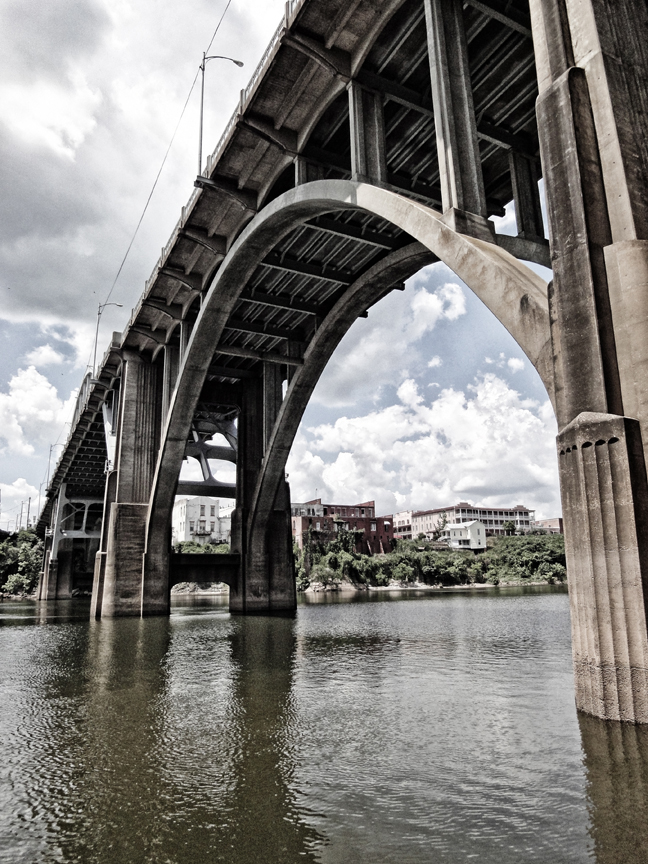
So walk down the eroding banks on either side, past old men passing time with tired fishing poles, and look up at something grander. From below, shoes squelching in the muddy edge of the Alabama River, is where you will remember the majesty of this bridge and what it bridged.

When you cross into Selma itself that hopeful feeling fades. State tourism attempts aside, it feels forgotten. It is just like any other depressed Southern city, its sameness a slap in the face. There’s an interpretive center, yes, but no grand monuments, reflecting pools or contemplative gardens. This was not the future King imagined nor equality commensurate with the struggle. If you’ve only seen the movie you could be excused for wondering if you’ve wandered on set. That little has changed.

So this road trip will do what no movie can. It won’t entertain you. But it will make you vested in the truth. As only travel can. LBJ wanted to prioritize the War on Poverty first, then deal with voting rights. But walking the half deserted streets of a discarded city proves one thing: had MLK waited for the eradication of poverty there still would be no voting rights in Selma, Alabama.
Photobombing Burma

In less than 24 hours I feel like a celebrity in Myanmar. I’m drenched in sweat, my hair is haphazardly clamped up off my neck and I’m sporting none-too-sexy cargo pants yet natives keep taking my picture.

I am walking around the docks of Yangon with my photographer husband who is happily capturing the magic hour of golden light when it first happens. Gary always asks permission of the people he approaches. So I’m not surprised when the young man squatting on the prow of a motorized dugout canoe nods a casual yes. Or that Gary instantly offers the camera’s viewfinder up so this man who ferries chickens, bananas and street food vendors across the river all day can see his own portrait.
In most third-world countries where we travel and shoot, the subjects of Gary’s digital street photos grin or giggle when they see themselves in a monitor, possibly for the first time. But this barefoot young man in a traditional longyi cocks his head, checks out his look and casually shrugs his shoulders. Then he whips a cell phone out of top fold of his longyi and snaps a picture of us.
I’m shocked. I thought Myanmar was right down there with North Korea in cell phone penetration. We’re talking about a country of 65 million people who up until a few years ago were suppressed by a military junta. I’m sure on a Burmese Facebook page somewhere there is a shot of two jet-lagged Americans, mouths gaped in astonishment.

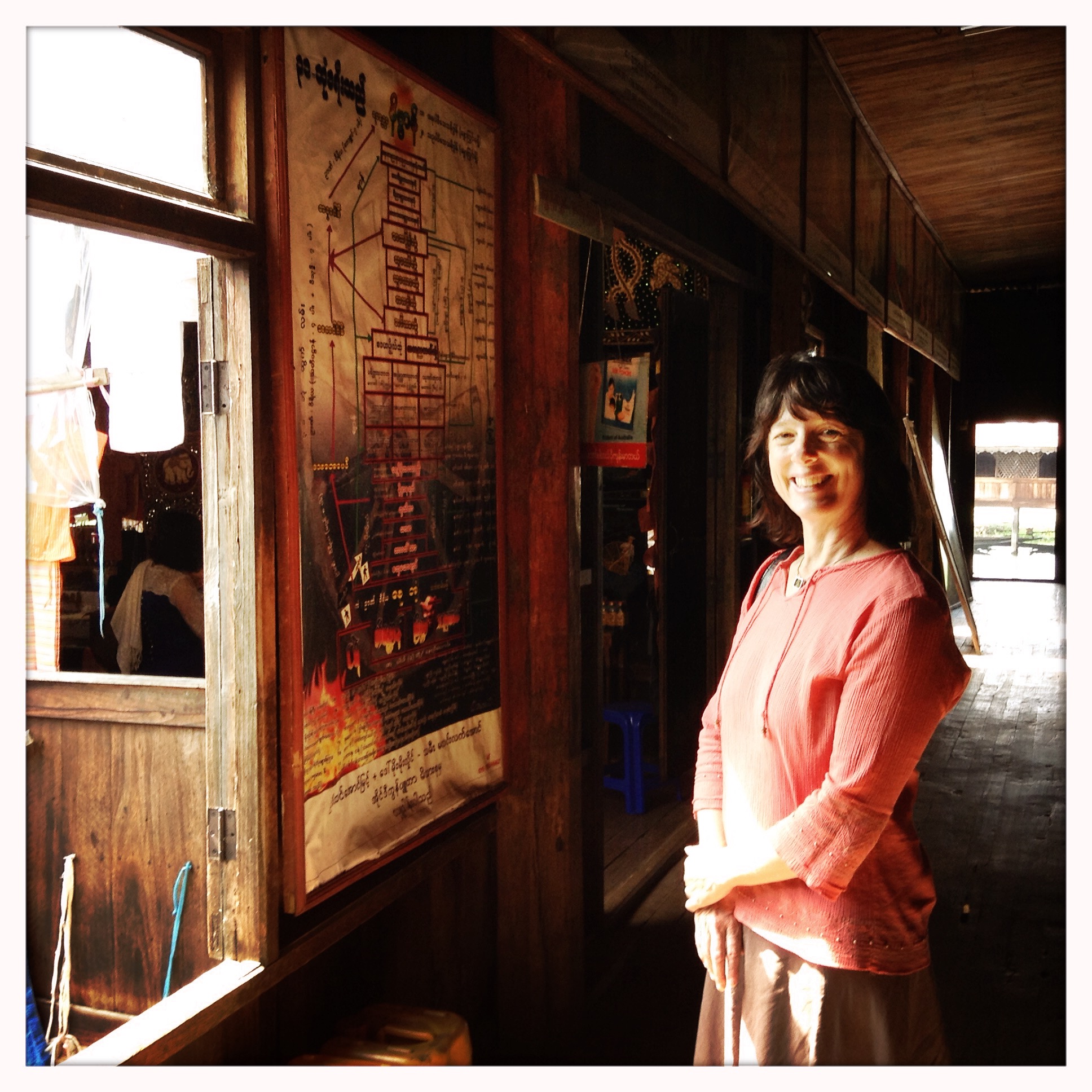
The next time I get the paparazzi treatment is as I step out of a boat to check out a 170-year-old monastery on Inle Lake. Again, I’m caught completely off guard. I’m surrounded by an architectural and spiritual beauty revered for centuries and yet cell phones are emerging from longyis and snapping photos of me. I feel like a specimen, a cultural curiosity suddenly on the other side of the camera.
“Is it that I look American?” I ask Gary. We do come from a country that only recently lifted travel embargoes and we’ve yet to meet another American tourist on this trip. Maybe I should enjoy the brief period of novelty before this country begins a predictable love/hate relationship with U.S. tourism.
“And that would distinguish you from German, Swiss, Canadian and Australian women how exactly?” Gary responds.
It isn’t until two policemen guarding our newly built, Chinese hotel in Mandalay take my picture that the truth occurs to me. Spoiler alert – it isn’t about me.
This is simply a country full of people who have just entered the cell phone age. Mobile giants from Norway, Qatar and Japan pounced on government contracts in 2014, getting in on the bleeding edge of connectivity.
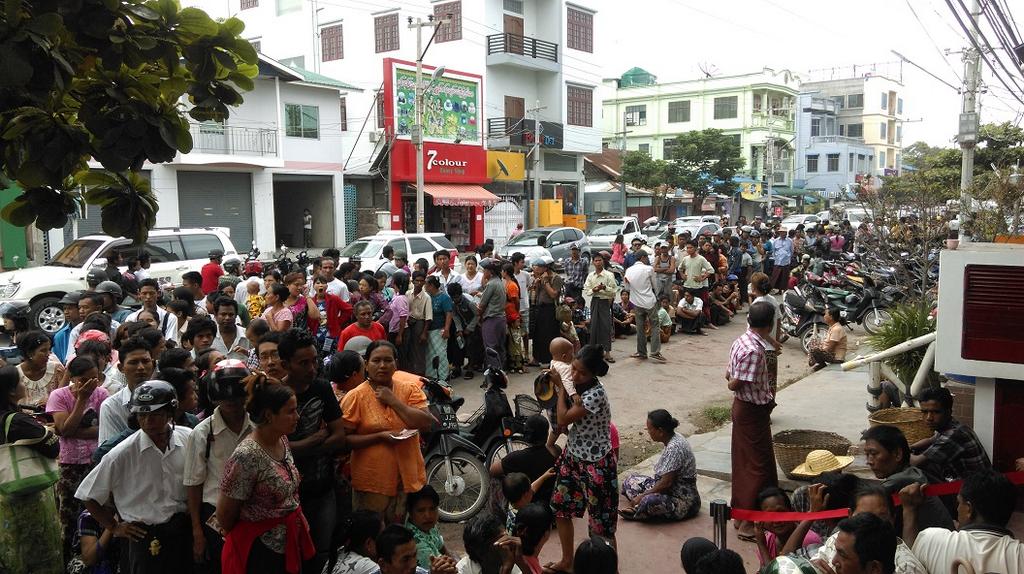
Here’s a picture from one of those company’s Facebook site the hot August day they started selling cell phones in Mandalay. The cops taking my picture with their phones right now were probably in that line somewhere.
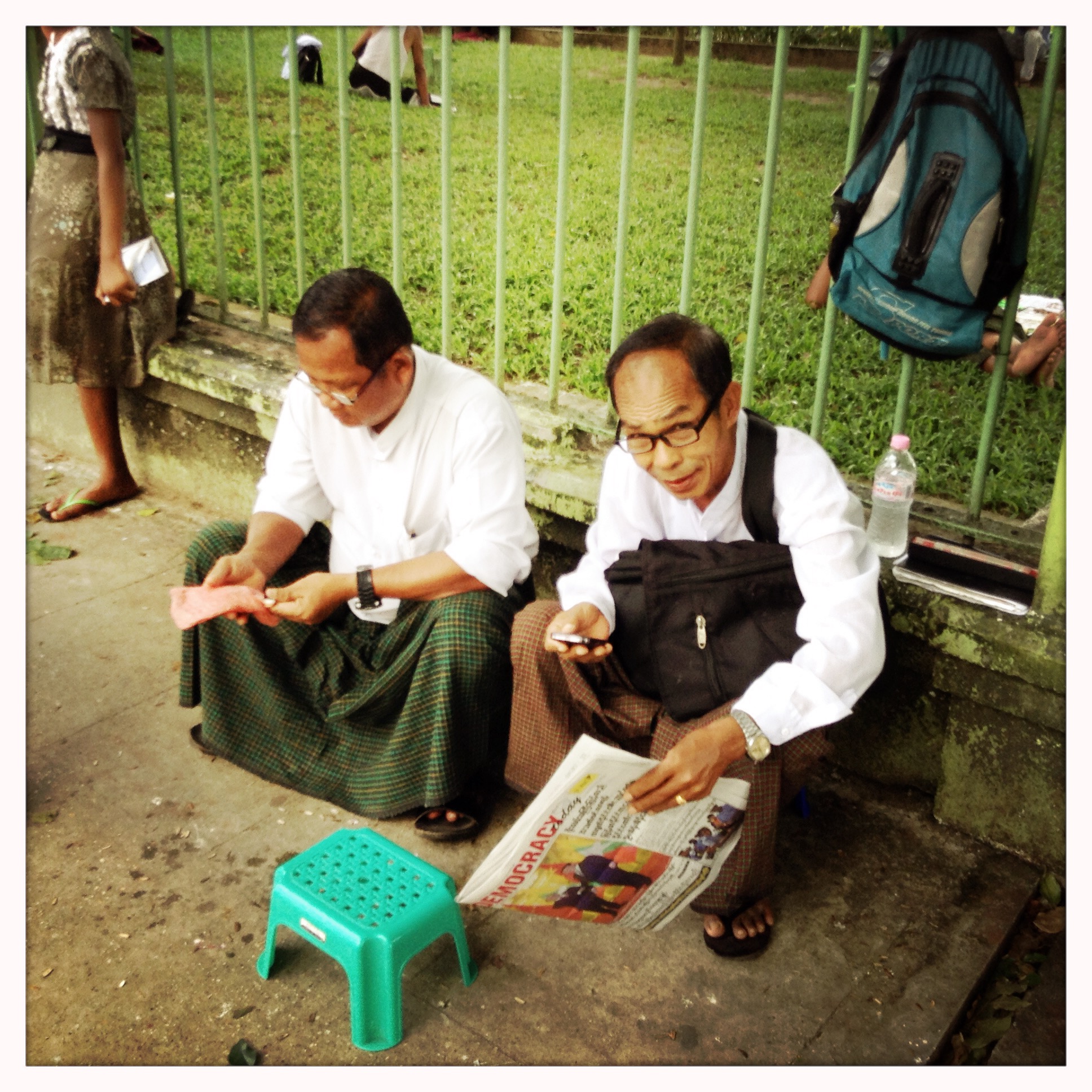
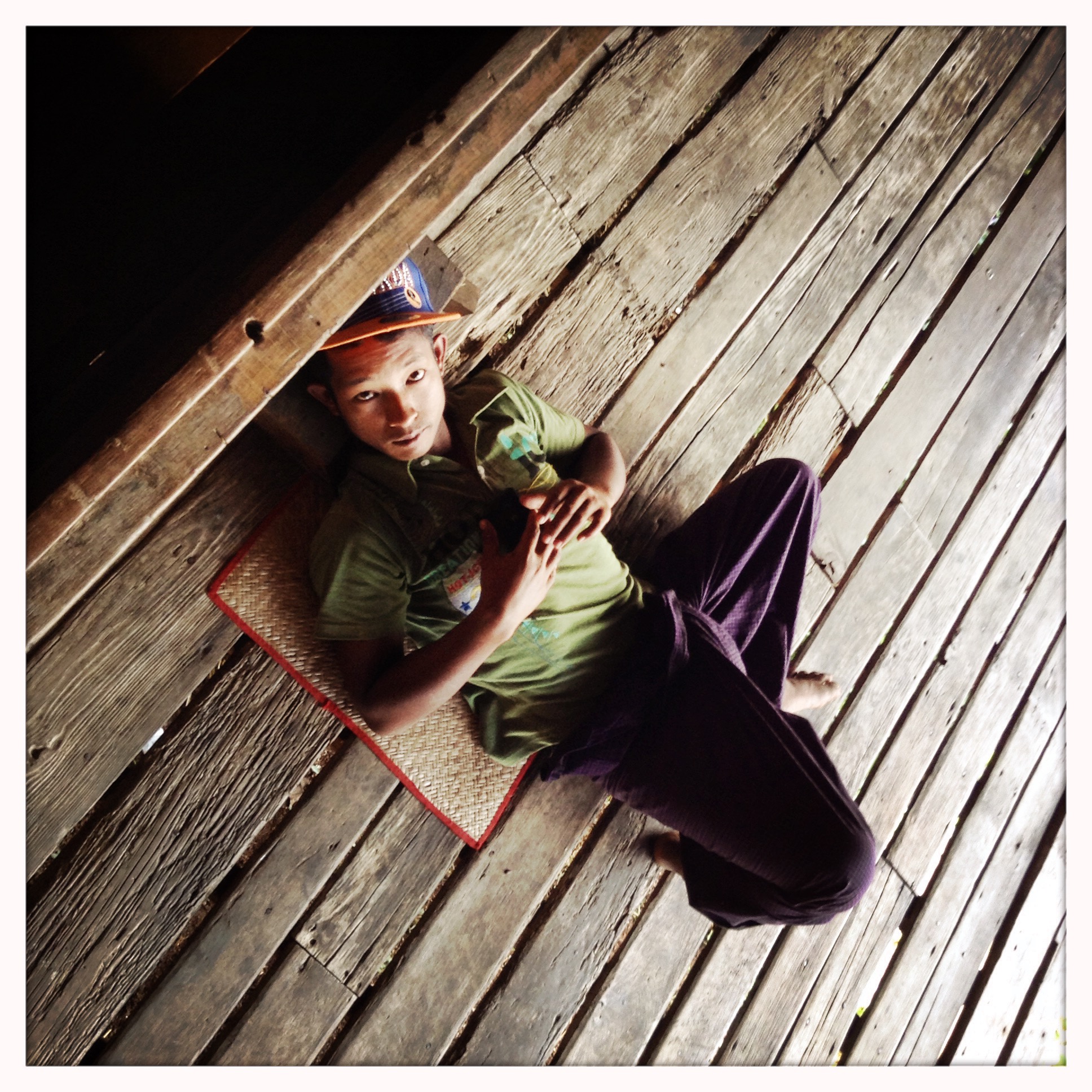
The number of mobile phone users in Myanmar is expected to reach up to 80 percent of the country’s population during the fiscal year 2015-16, according to Ministry of Telecommunications and Information Technology. Even if that number is wishful thinking on the part of the military government, the fact that it is wishful is illuminating. The military could have followed Kim Jung-un’s lead and kept the country disconnected, in the communications dark ages. But before I get too impressed with Burmese political altruism I read this in the Financial Times.
For the new rulers of the state still known to many as Burma, a mobile-phone network is precious because it’s a rare way to make a demonstrable change to people’s lives before the polls.
I knew it wasn’t my fashion sense. And my Americanism is not so intriguing that my every step is documented by the natives. My would-be paparazzi are just Burmese people suddenly connecting to the rest of the world. Myanmar is a ten-year-old girl with her first camera phone. She is obsessed with a new toy. Watch out world. Next will surely come the avalanche of Burmese selfies and photobombing.
 "TeresaBruceBooks"
